
Upper Endoscopy: A Complete Guide to Procedure, Benefits & What to Expect
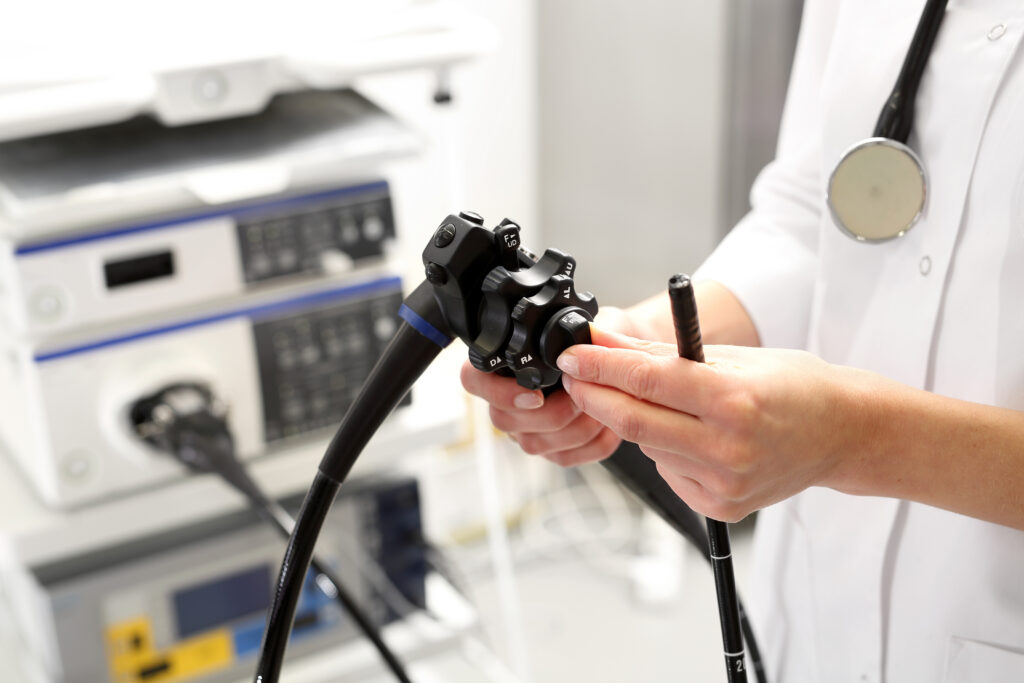
Colon & Digestive Health Specialists Dr. Karim Shakoor, M.D. & Team Pay Bill Appointments Home Who We Are Our Team Krisna Patel Karim K Shakoor Our Services Colonoscopy EGD/Upper Endoscopy Flexible Sigmoidoscopy Our Expertise Abdominal Pain Colon Cancer Constipation Diarrhea Diverticulitis Swallowing Difficulty Gastrointestinal Bleeding Heartburn Irritable Bowel Syndrome Peptic Ulcers Gas Ulcerative Colitis New Patient EEC Blog Contact Us Hamburger Toggle Menu Home Who We Are Our Team Krisna Patel Karim K Shakoor Our Services Colonoscopy EGD/Upper Endoscopy Flexible Sigmoidoscopy Our Expertise Abdominal Pain Colon Cancer Constipation Diarrhea Diverticulitis Swallowing Difficulty Gastrointestinal Bleeding Heartburn Irritable Bowel Syndrome Peptic Ulcers Gas Ulcerative Colitis New Patient EEC Blog Contact Us Hamburger Toggle Menu Pay Bill Appointments Upper Endoscopy: A Complete Guide to Procedure, Benefits & What to Expect Introduction If you’ve been experiencing persistent digestive problems, such as heartburn, nausea that doesn’t go away, or trouble swallowing, your doctor might suggest an upper endoscopy. Using a thin, flexible tube equipped with a camera, this sophisticated test enables gastroenterologists to view inside your stomach, small intestine, and esophagus. However, a lot of patients are curious about what an endoscopy is, what it shows, how long it takes, and what diseases it can identify. All of these questions will be addressed in this comprehensive guide, which will also help you comprehend why this test is frequently a crucial first step in the diagnosis and treatment of digestive disorders. What Is an Upper Endoscopy? A gastroenterologist performs an upper endoscopy, also known as an esophagogastroduodenoscopy or EGD, in which they pass a thin, flexible tube equipped with a light and camera through your mouth and into your digestive tract. This tool lets your doctor examine the: Esophagus – the tube that carries food from your mouth to your stomach. Stomach – where food is mixed with digestive juices. Duodenum – the first part of the small intestine. Unlike imaging scans, endoscopy provides a direct, real-time view of your digestive tract, which helps in detecting even small abnormalities. What Does an Endoscopy Show? An upper endoscopy can reveal: Inflammation (esophagitis, gastritis, duodenitis) Ulcers in the stomach or duodenum Narrowing or blockages in the esophagus Precancerous changes (like Barrett’s esophagus) Tumors or polyps in the upper digestive tract Causes of bleeding in the stomach or intestines In many cases, your doctor can also take biopsies (tiny tissue samples) during the procedure for lab testing, which helps confirm conditions like celiac disease, H. pylori infection, or early cancerous changes. What Diseases Can Be Detected by an Endoscopy? An upper endoscopy is not just for diagnosis—it’s a powerful tool for early disease detection. Here are some conditions it can identify: gastroesophageal reflux disease (GERD). Endoscopy reveals scarring or irritation. Peptic ulcers are painful sores in the duodenum or stomach that are frequently caused by H. pylori or drugs like NSAIDs. Barrett’s Esophagus: A GERD complication in which the esophageal lining alterations, raising the risk of cancer. Esophageal Strictures:Narrowing of the esophagus that causes swallowing difficulties Celiac Disease: A biopsy taken during endoscopy can confirm gluten intolerance Stomach or Esophageal Cancer: Early detection significantly improves treatment success Unaccounted-for Bleeding: Endoscopy assists in identifying the upper digestive tract bleeding sources. The Endoscopy Procedure: Step-by-Step Knowing what to expect during an endoscopy can help reduce anxiety. Here’s a breakdown of the process: Preparation: You must abstain from food and liquids for six to eight hours prior to the procedure. You might be asked to change blood thinners or other medications by your doctor. Sedation: To help them relax, most patients are given a mild sedative via intravenous injection. Your throat may also be sprayed with a numbing agent. Insertion of the Endoscope: The doctor gently guides the scope down your throat while monitoring the images on a screen. There might be a little pressure, but no pain. Examination & Biopsy: The doctor looks for abnormal growths, ulcers, or inflammation. Small tools can be passed through the scope to take biopsies or stop bleeding. Recovery: The procedure usually takes 15 to 30 minutes. You’ll rest until the sedation wears off and should arrange a ride home. How Long Does an Endoscopy Take? The endoscopy procedure itself typically takes less than 30 minutes, but the entire process—including check-in, sedation, and recovery—may take 2 to 3 hours. Here are some conditions it can identify:Among the variables influencing duration are: if biopsies are performed. if medical intervention is required (e.g., removal of polyps or halting bleeding). Your general well-being and reaction to sedation. Therefore, even though the test is brief, allow extra time for the entire appointment. Benefits of Upper Endoscopy Upper endoscopy provides several important benefits: Early Detection: Finds problems before they become serious. Accurate Diagnosis: Direct visualization and biopsies give precise results. Treatment During Procedure: Doctors can remove polyps, stop bleeding, or widen narrowed areas. Minimally Invasive: No major surgery, small risks, and quick recovery. Risks and Safety of Endoscopy Like any medical procedure, endoscopy carries minimal risks, though complications are rare. Possible risks include: Mild sore throat after the procedure. Reactions to sedation. Bleeding (especially after biopsy or polyp removal). Very rare risk of perforation (tear in the digestive tract lining). Overall, endoscopy is considered safe, effective, and well-tolerated by most patients. Preparing for an Endoscopy: Tips for Patients To ensure smooth results, follow these preparation tips: fast for at least six to eight hours. Tell your doctor about any allergies, prescription drugs, or medical issues you may have. After that, make plans for someone to drive you home. Steer clear of jewelry and dress comfortably. Sedation guarantees that you won’t experience any discomfort, so relax. Endoscopy Recovery: What to Expect After the procedure, you may experience: a slight sore throat. fatigue brought on by sedation. Bloating or gas (from air added during the test). Most patients can eat light meals within a few hours and resume normal activities the next day. Always follow your doctor’s post-care instructions. When Should You See a Doctor for an Endoscopy? You may need an upper endoscopy if you experience: Chronic heartburn or acid reflux. Difficulty swallowing. Unexplained weight loss. Persistent nausea or vomiting. Vomiting blood or black
What to Expect Before, During, and After a Colonoscopy: A Complete Guide
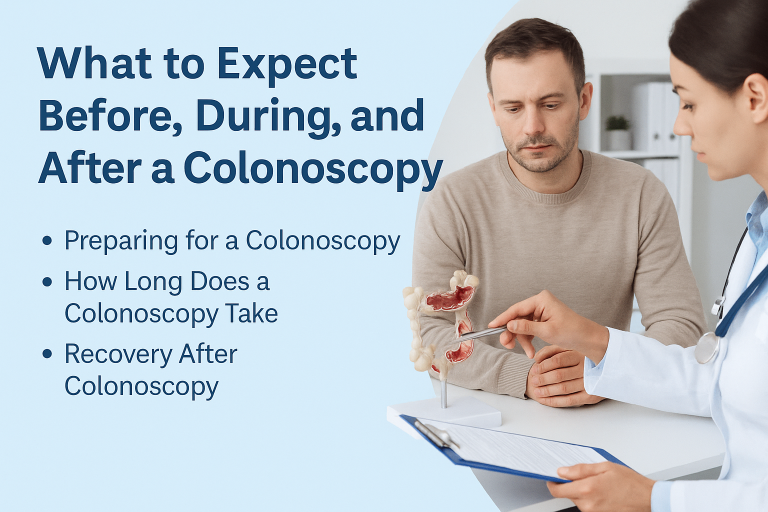
Colon & Digestive Health Specialists Dr. Karim Shakoor, M.D. & Team Pay Bill Appointments Home Who We Are Our Team Krisna Patel Karim K Shakoor Our Services Colonoscopy EGD/Upper Endoscopy Flexible Sigmoidoscopy Our Expertise Abdominal Pain Colon Cancer Constipation Diarrhea Diverticulitis Swallowing Difficulty Gastrointestinal Bleeding Heartburn Irritable Bowel Syndrome Peptic Ulcers Gas Ulcerative Colitis New Patient EEC Blog Contact Us Hamburger Toggle Menu Home Who We Are Our Team Krisna Patel Karim K Shakoor Our Services Colonoscopy EGD/Upper Endoscopy Flexible Sigmoidoscopy Our Expertise Abdominal Pain Colon Cancer Constipation Diarrhea Diverticulitis Swallowing Difficulty Gastrointestinal Bleeding Heartburn Irritable Bowel Syndrome Peptic Ulcers Gas Ulcerative Colitis New Patient EEC Blog Contact Us Hamburger Toggle Menu Pay Bill Appointments What to Expect Before, During, and After a Colonoscopy: A Complete Guide One of the best diagnostic procedures for identifying colorectal problems, such as polyps, inflammatory bowel disease, and colon cancer, is a colonoscopy. You probably have questions like “How long does a colonoscopy take?” “How is recovery like?” and “How should I prepare?” if your doctor has recommended this procedure. This comprehensive guide will make sure you are informed and comfortable by taking you through every step of the process, from getting ready for a colonoscopy to recovering from one. Why Is a Colonoscopy Important? During a colonoscopy, gastroenterologists use a flexible tube equipped with a camera to look at the lining of your colon and rectum. It is an essential tool for the early detection of digestive disorders like colon cancer and Polyps (which may develop into cancer) Ulcers IBD (inflammatory bowel diseases), which include ulcerative colitis and Crohn’s disease Causes of persistent diarrhea, bleeding, or unexplained stomach pain By identifying issues before they worsen, early detection via a colonoscopy can save lives. Preparing for a Colonoscopy Proper preparation is crucial to ensure your colon is completely clean, which helps your doctor get a clear view during the procedure. Here’s how to get ready: 1. Modifications to Diet Prior to the Process You will be instructed to begin a clear liquid or low-fiber diet three to four days prior to the colonoscopy. Steer clear of foods high in fiber, such as whole grains, nuts, seeds, and raw vegetables. Suggested foods: Broths that are clear Jell-O (no dyes that are red or purple) Sports drinks or apple juice Coffee or tea without cream 2. Preparing the Bowel (Laxatives) The night before your procedure, your doctor will prescribe a bowel prep solution, which is typically a drink made of polyethylene glycol. This aids in colon cleansing. Advice: Stay near a bathroom after you start consuming it. To prevent irritation, use moist wipes or calming ointments. To improve the taste, chill the prepared beverage. 3. Medication Adjustments Inform your doctor about any medications you’re taking, including: Blood thinners Diabetes medications Iron supplements You may need to adjust or stop these before your procedure. How Long Does a Colonoscopy Take? The actual process of a colonoscopy is usually completed in 30 to 60 minutes. Below is a summary of what to anticipate: 1. Prior to the procedureArrive one to one and a half hours early. An IV will be inserted for sedation after you check in and change into a gown. 2. Throughout the ProcessAfter the patient is sedated, the physician will examine the entire colon with a colonoscope inserted into the rectum. If polyps are discovered, they may remove them or take tissue samples (biopsies). 3. After the ProcedureAs the sedative wears off, you will be observed. Prior to being released, the majority of patients take a 30- to 60-minute nap. What is the duration of a colonoscopy from beginning to end? You should anticipate being at the clinic for two to three hours in total. Recovery After Colonoscopy: What to Expect Although the procedure is minimally invasive, knowing what happens afterward is important for peace of mind and planning. 1.Immediate Colonoscopy Recovery You may feel: Mild bloating or cramping Gas from the air introduced into your colon Grogginess from sedation (don’t drive for 24 hours) 2. When Can You Eat? Once fully awake, most patients can resume eating bland, light foods. Begin by: Crackers or toast Soup Bananas or rice To avoid discomfort, stay away from heavy or spicy meals for a day. 3. When to Get Back to Your Regular Activities Although full recovery may vary if a polyp was removed, most people resume their regular activities the following day. It is advised to engage in mild exercise for 24 hours after the procedure. Signs to Watch for After a Colonoscopy Although complications are rare, contact your doctor immediately if you experience: Severe abdominal pain Persistent bleeding from the rectum Fever or chills Dizziness or weakness How to Support Your Digestive Health Post-Colonoscopy It’s crucial to keep your digestive system in good condition following your colonoscopy. Think about: diet high in fiber (after a few days) Maintaining Hydration Frequent physical activity Regular screenings as advised Your doctor will advise you on the next course of action, including possible follow-up visits or treatments, if any abnormalities were discovered. Final Thoughts A colonoscopy is a straightforward, secure, and extremely beneficial procedure for identifying and preventing serious gastrointestinal disorders, despite the fact that the concept may seem frightening. You can go into your appointment with confidence if you are well-prepared, know the procedure, and take good care of yourself after the procedure. FAQs Q1: How should I mentally prepare for a colonoscopy? It’s natural to feel anxious. Talk to your doctor, ask questions, and remember the procedure is short, safe, and often painless due to sedation. Q2: Can I work the day after the colonoscopy? Yes, most people can resume work and normal activities the next day, unless otherwise advised by their doctor. Q3: Will I need someone to accompany me? Yes. Due to sedation, you’ll need a responsible adult to drive you home after the procedure. For Life-Threatening Emergencies Call 911 Our location Colon & Digestive Health Specialists 1805 Honey Creek Commons, Ste B, Conyers GA 30013 Menu Home Our
Diverticulosis and Diverticulitis
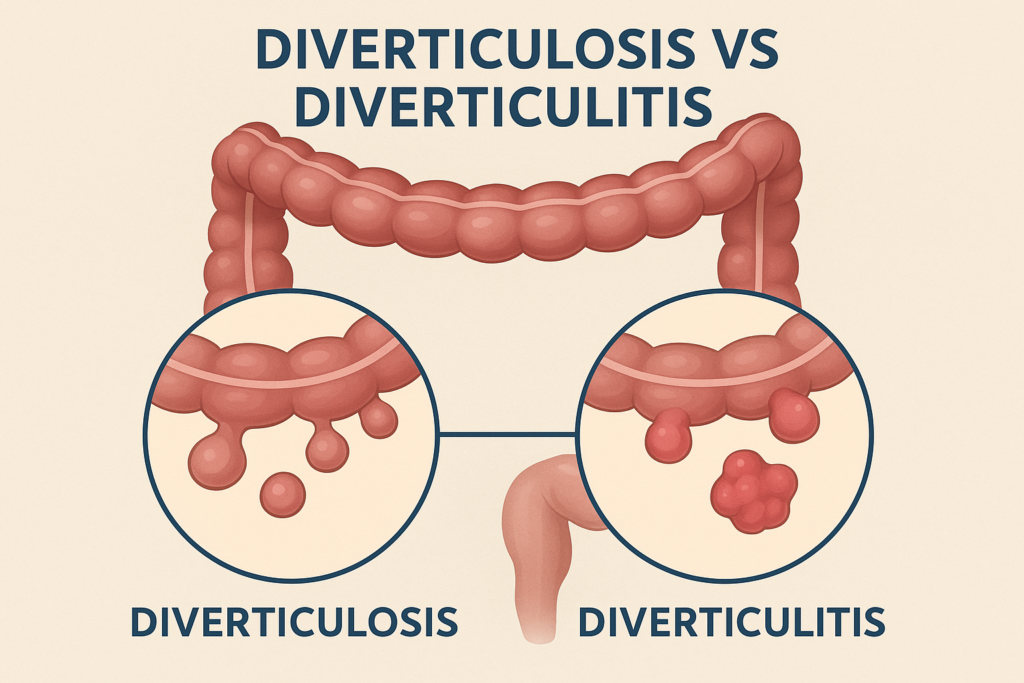
Home Who We Are Our Team Krisna Patel Karim K Shakoor Our Services Colonoscopy EGD/Upper Endoscopy Flexible Sigmoidoscopy Our Expertise Abdominal pain Colon Cancer Constipation Diarrhea Diverticulitis Swallowing Difficulty Gastrointestinal Bleeding Heartburn Irritable Bowel Syndrome Peptic Ulcers Gas Ulcerative Colitis New Patient EEC Blog Contact Us Hamburger Toggle Menu Pay Bill Appointments Diverticulosis and Diverticulitis Diverticulosis and diverticulitis are two of the most frequently misinterpreted conditions in the complex terminology surrounding digestive health issues. Despite their close relationship, these conditions have different traits, symptoms, and approaches to treatment. Everything you need to know about diverticulosis vs. diverticulitis will be covered in this guide, including causes, symptoms, treatment, complications, and prevention. What Is the Difference Between Diverticulosis and Diverticulitis? It is helpful to start with the colon (large intestine) in order to comprehend the distinction between diverticulosis and diverticulitis. Small pouches may occasionally form along the colon’s walls as a result of pressure. We refer to these as diverticula. Diverticulosis is the presence of these small pouches (diverticula) in the colon. Diverticulitis occurs when these pouches become inflamed or infected. Diverticulosis is frequently found during routine colonoscopies and is typically asymptomatic. Diverticulitis, on the other hand, is a painful and potentially dangerous condition that arises when a diverticulum becomes inflamed or ruptures. Diverticulosis and Diverticulitis Symptoms Symptoms of DiverticulosisThe majority of diverticulosis patients show no symptoms at all. However, in certain situations, minor symptoms could include: bloating mild discomfort in the abdomen Modifications to bowel habits (diarrhea or constipation) Due to their lack of specificity, these symptoms are frequently confused with those of other digestive disorders like IBS. Symptoms of DiverticulitisWhen diverticula become inflamed or infected, symptoms can become much more severe and may include: Persistent abdominal pain (usually on the lower left side) Fever and chills Nausea or vomiting Constipation or, less commonly, diarrhea Bloating and tenderness Loss of appetite In some cases, the symptoms can be sudden and intense, requiring immediate medical attention. What Causes Diverticulosis and Diverticulitis? Causes of DiverticulosisDiverticulosis is frequently associated with: A diet low in fiber causes harder stools and higher colonic pressure. As people age, the risk rises after age 40. Absence of exercise Being overweight Genetic susceptibility Diverticula are more likely to develop in Western nations, perhaps as a result of inadequately fiber-rich diets. Causes of DiverticulitisDiverticulitis develops when diverticula become blocked with stool or bacteria, causing inflammation or infection. Risk factors include: Smoking Obesity Sedentary lifestyle Use of NSAIDs (like ibuprofen) Chronic constipation Diverticulitis Complications You Should Know Although rest and medication can often be used to treat mild diverticulitis at home, improper treatment can lead to serious complications. These could consist of: Formation of Abscesses :The colon may develop pus-filled pockets that need to be drained or treated with antibiotics. Perforation: Peritonitis, a potentially fatal abdominal infection, can result from a hole in the intestinal wall. A fistula: The colon and other organs, like the bladder or uterus, may develop an aberrant connection. Obstruction of the Bowel: The colon may narrow due to inflammation or scar tissue, making it difficult for stool to pass through. Bleeding: Diverticula can occasionally bleed, which can result in anemia or rectal bleeding. Diverticulitis Diagnosis and Treatment Options Making a diagnosis A medical professional may suggest the following if diverticulitis is suspected: Physical examination (looking for soreness in the abdomen) Blood tests to check for infection symptoms CT scan to verify perforation, abscess, or inflammation Colonoscopy to evaluate the colon (usually performed after the inflammation subsides) Treatment for Mild Diverticulitis Most uncomplicated cases can be treated at home with: Oral antibiotics A liquid or low-fiber diet to rest the colon Pain relievers (acetaminophen, avoiding NSAIDs) Treatment for Severe Diverticulitis Hospitalization might be necessary if symptoms worsen or complications arise. Among the possible treatments are: Intravenous antibiotics Management of fluids and electrolytes Emptying abscesses Surgery to treat complicated or recurring diverticulitis Colon resection is a surgical procedure in which the damaged colon is removed and the healthy sections are reconnected. Diverticulitis Outlook and Prevention OutlookThe severity of diverticulitis affects the prognosis. With the right care, the majority of people recover completely from mild cases in a matter of days to weeks. About 20% of patients, however, might have recurrent episodes, and a tiny proportion might get complicated or chronic diverticulitis that needs surgery. PreventionThe best strategy is to control risk factors in order to prevent diverticulitis: Consume a Diet Rich in Fiber: Fiber lowers colon pressure and softens stools. Consume fruits, vegetables, whole grains, and legumes on a daily basis. Drink plenty of water: Fiber passes through the colon more easily when you drink enough water. Engage in Regular Exercise: Exercise lowers inflammation and enhances bowel function. Steer clear of NSAIDs and smoking: Both may raise the chance of complications or inflammation. Keep Your Weight in Check: Diverticulitis risk has been associated with obesity. Probiotics and Gut Health: Although further research is required, new findings indicate that preserving a balanced gut microbiome may help prevent diverticulitis. Conclusion: The Role of Colon & Digestive Health Specialists in Managing Diverticulosis and Diverticulitis At Colon & Digestive Health Specialists , we are dedicated to delivering expert care for the prevention, diagnosis, and treatment of diverticulosis and diverticulitis. Our skilled gastroenterology team uses advanced diagnostic tools and personalized treatment plans to help patients achieve the best possible outcomes. Whether you are managing diverticulosis or recovering from an episode of diverticulitis, early evaluation and proactive care are key to preventing complications. Take control of your digestive health today—schedule a consultation and let our specialists guide you toward a healthier, more comfortable future. Dr. Karim Shakoor, M.D. is a board-certified gastroenterologist and founder of Colon & Digestive Health Specialists, LLC. He completed his residency and fellowship at Cook County Hospital, which is known for having one of the most extensive programs in the country. Karim Shakoor, M.D. is dedicated to providing his patients with the highest level of care to improve their quality of life. He specializes in the treatment of digestive disorders, including abdominal pain, colon cancer, constipation, diarrhea, diverticulitis, gas, gastrointestinal bleeding, heartburn, irritable bowel syndrome, peptic
Warning Signs of Colorectal Polyps You Shouldn’t Ignore
Colon & Digestive Health Specialists Dr. Karim Shakoor, M.D. & Team Pay Bill Appointments Home Who We Are Our Team Krisna Patel Karim K Shakoor Our Services Colonoscopy EGD/Upper Endoscopy Flexible Sigmoidoscopy Our Expertise Abdominal Pain Colon Cancer Constipation Diarrhea Diverticulitis Swallowing Difficulty Gastrointestinal Bleeding Heartburn Irritable Bowel Syndrome Peptic Ulcers Gas Ulcerative Colitis New Patient EEC Blog Contact Us Hamburger Toggle Menu Home Who We Are Our Team Krisna Patel Karim K Shakoor Our Services Colonoscopy EGD/Upper Endoscopy Flexible Sigmoidoscopy Our Expertise Abdominal Pain Colon Cancer Constipation Diarrhea Diverticulitis Swallowing Difficulty Gastrointestinal Bleeding Heartburn Irritable Bowel Syndrome Peptic Ulcers Gas Ulcerative Colitis New Patient EEC Blog Contact Us Hamburger Toggle Menu Pay Bill Appointments Warning Signs of Colorectal Polyps You Shouldn’t Ignore Colorectal polyps are tiny clusters of cells that develop on the colon or rectum’s lining. Although the majority of polyps are benign, some have the potential to progress into colorectal cancer over time, frequently with no outward signs. Early detection of colorectal polyp warning signs is therefore essential for prompt screening and prevention. What Are Colorectal Polyps? Growths known as colorectal polyps appear on the colon’s or rectum’s inner wall. Particularly in adults over 45, they are fairly prevalent. The majority of polyps are benign and vary in size and shape. Nonetheless, some varieties, especially adenomatous polyps (adenomas), have the capacity to develop into cancer. The most accurate method of finding polyps is through routine colonoscopy screenings because they frequently don’t show any symptoms. You shouldn’t disregard certain early indicators of colorectal polyps, though. Why Early Detection of Colorectal Polyps Is Crucial? Many people are unaware that they have polyps for years. The third most common cancer in the United States, colorectal cancer, can be considerably decreased by detecting polyps early through screening or symptoms. By enabling physicians to remove polyps before they become dangerous, routine colon screenings starting at age 45 can prevent cancer, according to the American Cancer Society. Top Warning Signs of Colorectal Polyps Rectal Bleeding: Rectal bleeding or blood in the stool are two of the most typical signs of colorectal polyps. You may notice darker, tar-like stools or bright red blood on toilet paper. Hemorrhoids or small tears may be the cause of rectal bleeding, but if the bleeding continues, a gastroenterologist should be consulted Changes in Bowel Habits: Frequent diarrhea, constipation, or a change in stool consistency can signal colorectal polyp symptoms. If these changes last longer than a week or two, they may indicate something more serious than dietary issues. Look for: Narrower than normal stools Sudden urgency or incomplete evacuation Unexplained irregularity in bowel movements Abdominal Discomfort or Cramps: Larger polyps may obstruct portions of the colon, leading to abdominal pain, cramping, or bloating. Though not a definitive sign on its own, persistent abdominal discomfort should be investigated. Unexplained Fatigue or Weakness: Iron-deficiency anemia, which results from persistent internal bleeding from a polyp, can cause exhaustion, lightheadedness, or dyspnea. It might be time to have your colon health examined if you’re experiencing unusually high levels of fatigue without any apparent cause. Unintentional Weight Loss: Although rare with benign polyps, significant weight loss without changes in diet or activity level can sometimes be linked to polyps — especially if they’ve begun to show signs of malignancy. Who’s at Risk for Colorectal Polyps? While anyone can develop polyps, some factors increase your risk: Age 45 or older Family history of colorectal polyps or cancer Diet high in red or processed meats Smoking or heavy alcohol use Sedentary lifestyle Obesity History of inflammatory bowel disease (IBD) If you have any of these risk factors, regular screenings are even more essential. How Are Colorectal Polyps Diagnosed? A colonoscopy is the most accurate way to find and remove polyps. A flexible camera examines the colon and rectum during the procedure; if polyps are discovered, they can be removed and examined.Other diagnostic tools may include: Stool-based tests (FIT, Cologuard) CT colonography (virtual colonoscopy) Flexible sigmoidoscopy However, only a colonoscopy allows for immediate removal and biopsy, making it the gold standard in colorectal cancer prevention. Tips for Preventing Colorectal Polyps While not all polyps can be prevented, you can reduce your risk with healthy lifestyle choices: Eat a diet high in fruits, vegetables, and fiber Limit red and processed meats Exercise regularly Maintain a healthy weight Avoid smoking and excess alcohol Stay consistent with screenings (especially after age 45) Take Action: Book a Screening Today If you’re over 45, have a family history, or are experiencing symptoms, don’t wait. A simple colonoscopy could save your life by identifying and removing polyps before they become cancerous. For Life-Threatening Emergencies Call 911 Our location Colon & Digestive Health Specialists 1805 Honey Creek Commons, Ste B, Conyers GA 30013 Menu Home Our Team New Patient CDH Gallery Contact Us Privacy Policy Timings Monday – Friday : 7:30am – 4:00 pmSaturday & Sunday – CLOSED Facebook © 2026 All Rights reserved by Colon & Digestive Health Specialists
Colonoscopy or Stool Test: Which One Detects Colon Cancer Early?
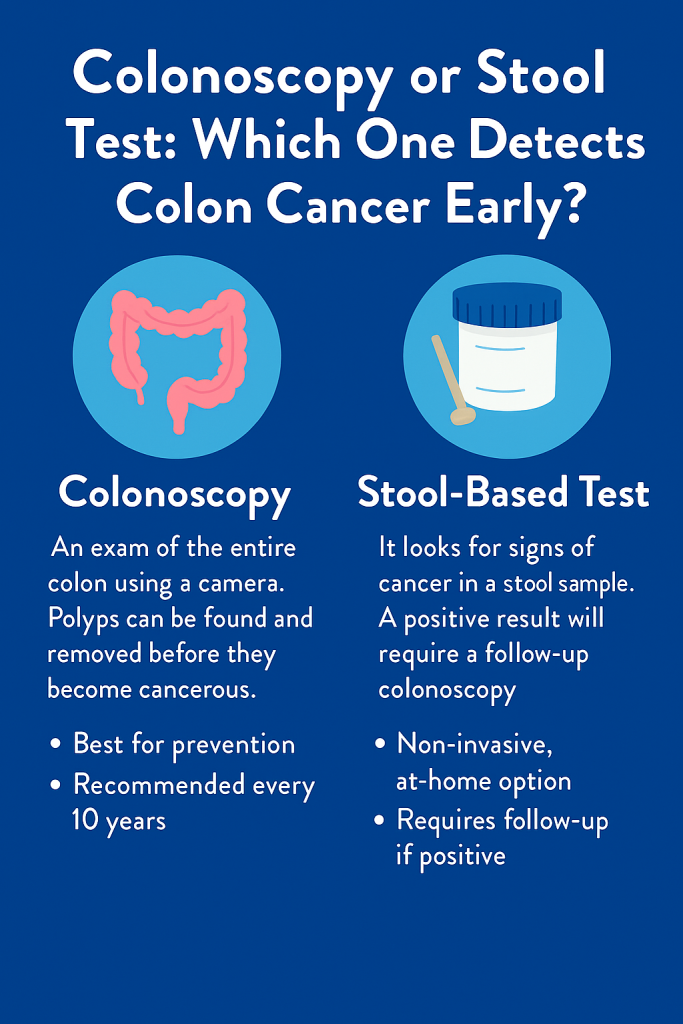
Colon & Digestive Health Specialists Dr. Karim Shakoor, M.D. & Team Pay Bill Appointments Home Who We Are Our Team Krisna Patel Karim K Shakoor Our Services Colonoscopy EGD/Upper Endoscopy Flexible Sigmoidoscopy Our Expertise Abdominal Pain Colon Cancer Constipation Diarrhea Diverticulitis Swallowing Difficulty Gastrointestinal Bleeding Heartburn Irritable Bowel Syndrome Peptic Ulcers Gas Ulcerative Colitis New Patient EEC Blog Contact Us Hamburger Toggle Menu Home Who We Are Our Team Krisna Patel Karim K Shakoor Our Services Colonoscopy EGD/Upper Endoscopy Flexible Sigmoidoscopy Our Expertise Abdominal Pain Colon Cancer Constipation Diarrhea Diverticulitis Swallowing Difficulty Gastrointestinal Bleeding Heartburn Irritable Bowel Syndrome Peptic Ulcers Gas Ulcerative Colitis New Patient EEC Blog Contact Us Hamburger Toggle Menu Pay Bill Appointments Colonoscopy or Stool Test: Which One Detects Colon Cancer Early? Understanding the Need for Colon Cancer Screening In the US, colon cancer ranks as the second most common cause of cancer-related mortality. The good news? If detected early, it’s also among the most preventable. Timely screening is therefore crucial. But when it comes to screening, a lot of patients ask “Should I get a colonoscopy or is a stool test enough?” Although they function differently, both tests seek to identify early indicators of colon cancer. Let’s dissect what you actually need to know in order to make the best decision for your health. The Purpose of Colon Cancer Screening Finding cancer or abnormal growths (polyps) before symptoms appear is the aim of screening. Doctors can remove polyps before they become cancerous if they are discovered early. Therefore, even if you feel completely healthy, routine screening is essential. Colonoscopy vs. Stool Test: The Key Differences Colonoscopy: A Comprehensive Internal View A colonoscopy allows your gastroenterologist to visually inspect the entire colon and rectum using a flexible camera. During the procedure, they can: Detect and remove polyps Biopsy suspicious tissue Evaluate inflammation or other abnormalities Pros: Gold standard for detecting polyps and cancer Can treat issues during the procedure Only needed every 10 years for most people Cons: Requires bowel prep and sedation Done in a medical facility Slight risk of complications Stool Tests: Convenient but Limited Stool-based tests (such as FIT or Cologuard) check your stool for hidden blood or abnormal DNA that may indicate colon cancer or polyps. Pros: Non-invasive and done at home No prep or sedation needed Less expensive Cons: Less accurate, especially for detecting polyps Must be done more frequently (every 1–3 years) Positive results still require a colonoscopy for confirmation Which Test Detects Colon Cancer Earlier? Colonoscopy continues to be the most precise and comprehensive screening technique for early detection. By identifying precancerous polyps and cancer, it enables medical professionals to take action before issues worsen. For those at average risk who are reluctant to have a colonoscopy, stool tests can be helpful. They might, however, overlook early-stage cancers or smaller polyps that a colonoscopy would detect. Who Should Get Screened and When? For people at average risk, colon cancer screening should start at age 45, according to the American Cancer Society. But you might require more frequent or earlier testing if you: Have a family history of colon cancer or polyps Suffer from inflammatory bowel diseases like Crohn’s or ulcerative colitis Have had colon polyps in the past Experience symptoms like blood in the stool, unexplained weight loss, or abdominal pain When to Choose a Colonoscopy You should strongly consider a colonoscopy if: You’ve had abnormal results on a stool test You have symptoms like rectal bleeding or chronic abdominal pain You have a high risk of colon cancer due to family history When a Stool Test Might Be Enough A stool test may be appropriate if: You’re at average risk and prefer a non-invasive option You’re not ready to undergo a colonoscopy You plan to follow up consistently with screening every 1–3 years What Dr. Karim Shakoor Recommends As a board-certified gastroenterologist, Dr. Karim Shakoor and the team at Colon & Digestive Health Specialists LLC recommend colonoscopy as the most reliable method for colon cancer screening. Each patient’s situation is unique, so we offer both testing options and help you make an informed decision based on your risk level and comfort. Take Charge of Your Colon Health Today Early detection could save your life. Whether you prefer a colonoscopy or a stool test, the key is to get screened regularly. For Life-Threatening Emergencies Call 911 Our location Colon & Digestive Health Specialists 1805 Honey Creek Commons, Ste B, Conyers GA 30013 Menu Home Our Team New Patient CDH Gallery Contact Us Privacy Policy Timings Monday – Friday : 7:30am – 4:00 pmSaturday & Sunday – CLOSED Facebook © 2026 All Rights reserved by Colon & Digestive Health Specialists