
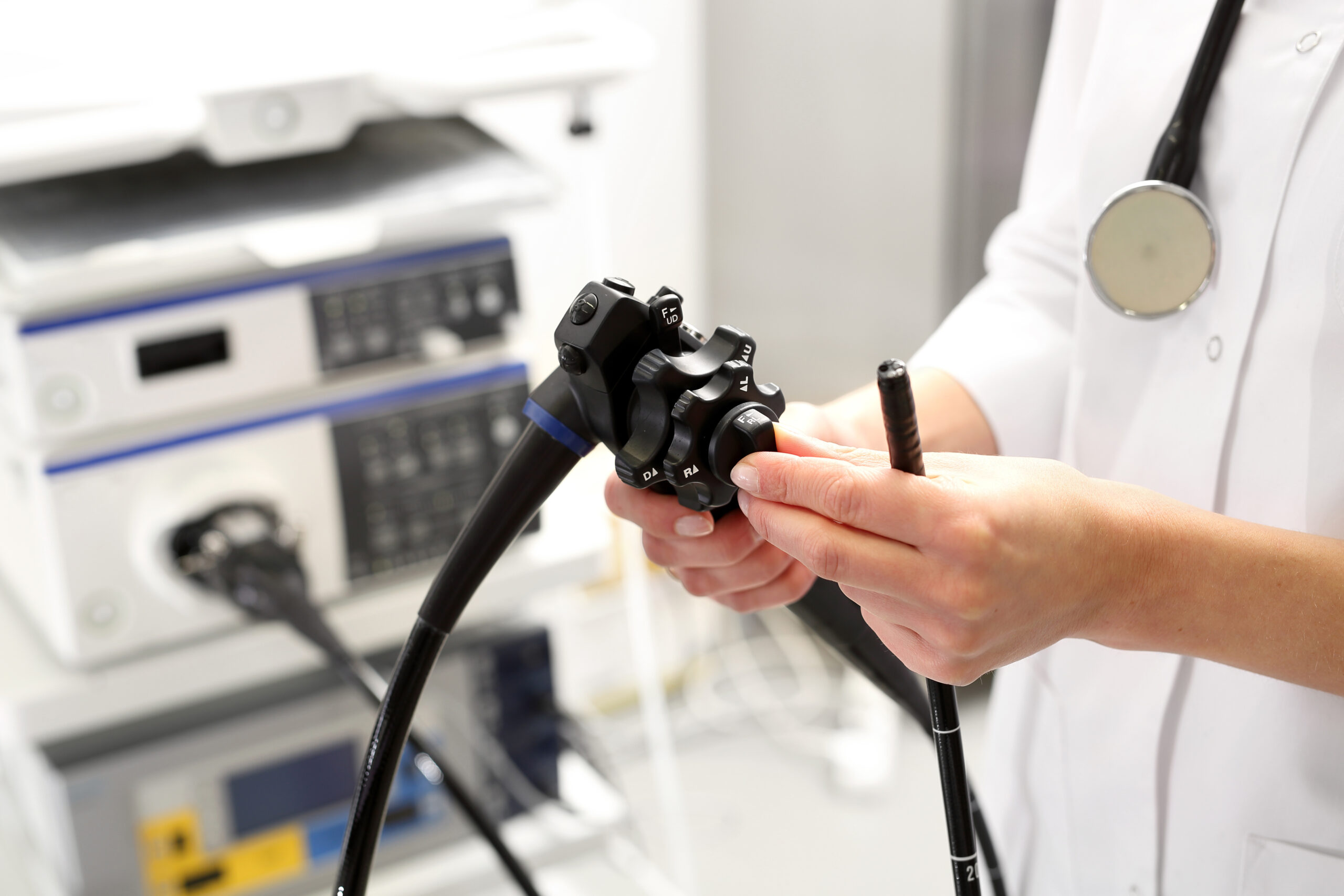
If you’ve been experiencing persistent digestive problems, such as heartburn, nausea that doesn’t go away, or trouble swallowing, your doctor might suggest an upper endoscopy. Using a thin, flexible tube equipped with a camera, this sophisticated test enables gastroenterologists to view inside your stomach, small intestine, and esophagus. However, a lot of patients are curious about what an endoscopy is, what it shows, how long it takes, and what diseases it can identify. All of these questions will be addressed in this comprehensive guide, which will also help you comprehend why this test is frequently a crucial first step in the diagnosis and treatment of digestive disorders.
A gastroenterologist performs an upper endoscopy, also known as an esophagogastroduodenoscopy or EGD, in which they pass a thin, flexible tube equipped with a light and camera through your mouth and into your digestive tract.
This tool lets your doctor examine the:
Unlike imaging scans, endoscopy provides a direct, real-time view of your digestive tract, which helps in detecting even small abnormalities.
An upper endoscopy can reveal:
In many cases, your doctor can also take biopsies (tiny tissue samples) during the procedure for lab testing, which helps confirm conditions like celiac disease, H. pylori infection, or early cancerous changes.
An upper endoscopy is not just for diagnosis—it’s a powerful tool for early disease detection. Here are some conditions it can identify:
Knowing what to expect during an endoscopy can help reduce anxiety. Here’s a breakdown of the process:
Preparation:
Sedation:
Insertion of the Endoscope:
Examination & Biopsy:
Recovery:
The endoscopy procedure itself typically takes less than 30 minutes, but the entire process—including check-in, sedation, and recovery—may take 2 to 3 hours.
Here are some conditions it can identify:Among the variables influencing duration are:
Therefore, even though the test is brief, allow extra time for the entire appointment.
Upper endoscopy provides several important benefits:
Like any medical procedure, endoscopy carries minimal risks, though complications are rare. Possible risks include:
Overall, endoscopy is considered safe, effective, and well-tolerated by most patients.
To ensure smooth results, follow these preparation tips:
After the procedure, you may experience:
Most patients can eat light meals within a few hours and resume normal activities the next day. Always follow your doctor’s post-care instructions.
You may need an upper endoscopy if you experience:
These symptoms may point to conditions that only an endoscopy can detect and confirm
Here are some conditions it can identify:More than just a diagnostic procedure, an upper endoscopy can save lives by accurately diagnosing digestive disorders early and, in certain situations, enabling prompt treatment.
This guide helps you understand why endoscopy is one of the most important procedures in gastroenterology, including what it is, how long it takes, and which diseases it can detect.
At Colon & Digestive Health Specialists, we are committed to providing expert, compassionate care for patients in need of an upper endoscopy. Our experienced gastroenterology team uses advanced endoscopic technology to detect digestive conditions—whether it’s ulcers, inflammation, polyps, or more complex issues—and develops personalized treatment plans to ensure accurate diagnosis and effective care.
Dr. Karim Shakoor, M.D. is a board-certified gastroenterologist and founder of Colon & Digestive Health Specialists, LLC. He completed his residency and fellowship at Cook County Hospital, which is known for having one of the most extensive programs in the country. Karim Shakoor, M.D. is dedicated to providing his patients with the highest level of care to improve their quality of life. He specializes in the treatment of digestive disorders, including abdominal pain, colon cancer, constipation, diarrhea, diverticulitis, gas, gastrointestinal bleeding, heartburn, irritable bowel syndrome, peptic ulcers, swallowing difficulty, and ulcerative colitis.

For Life-Threatening Emergencies Call 911
Colon & Digestive Health Specialists 1805 Honey Creek Commons, Ste B, Conyers GA 30013
Monday – Friday : 7:30am – 4:00 pm
Saturday & Sunday – CLOSED
Facebook
© 2026 All Rights reserved by Colon & Digestive Health Specialists