
Gastrointestinal Bleeding: Causes, Symptoms & When to See a GI Doctor
Gastrointestinal bleeding is not a diagnosis — it’s a signal. Your body is telling you that somewhere along your digestive tract, from your esophagus all the way down to your rectum, something is wrong. How serious that signal is depends entirely on where the bleeding is coming from, how much blood is involved, and how quickly it’s happening.
Some cases of GI bleeding are minor and resolve with straightforward treatment. Others are medical emergencies. Knowing the difference — and knowing when to act — is what this page is designed to help you understand.
Understanding Gastrointestinal Bleeding
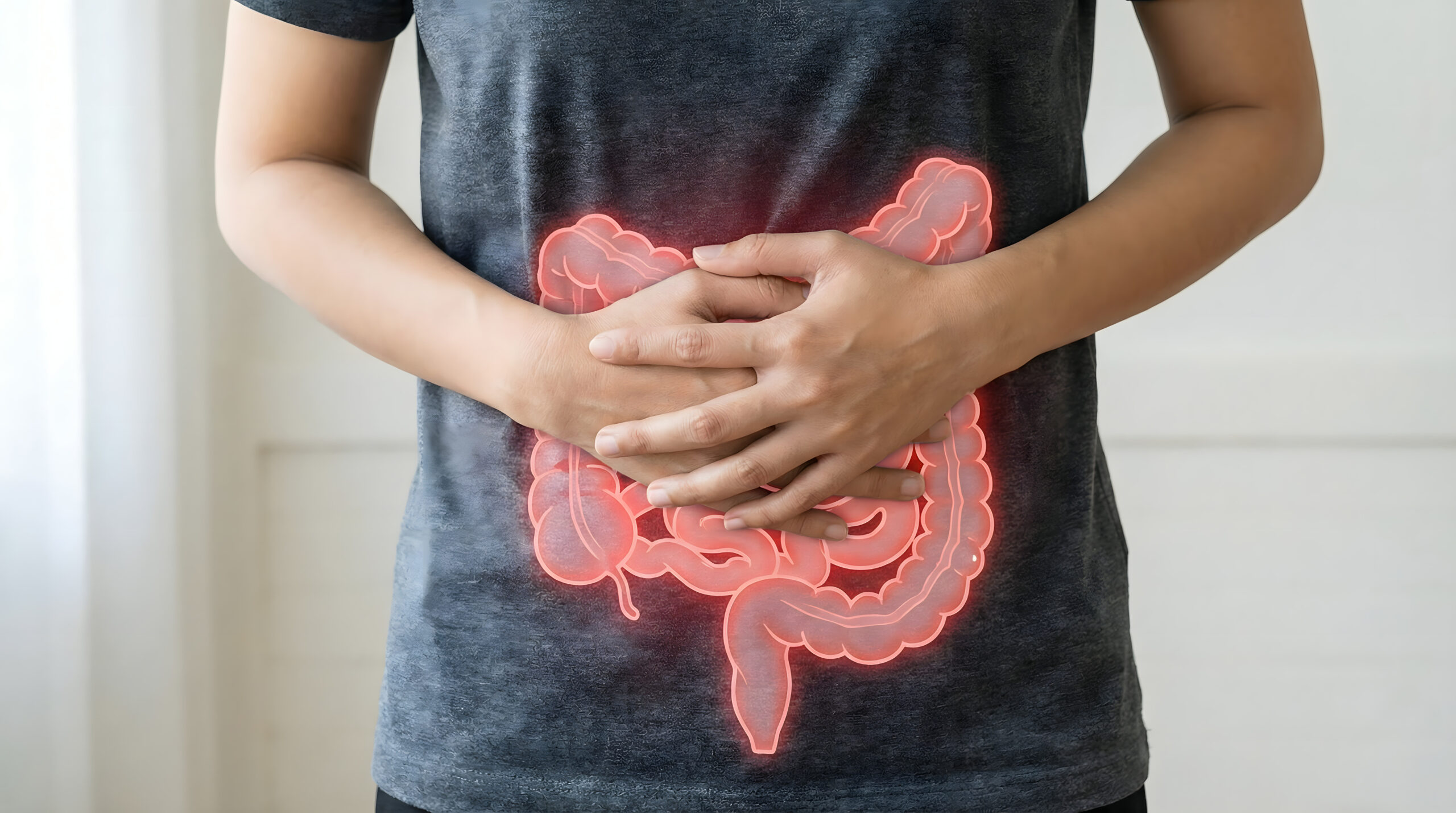
Upper vs. Lower GI Bleeding: Why the Location Matters
The single most important distinction in gastrointestinal bleeding is where it’s coming from — upper or lower — because this determines the symptoms, the diagnosis tools, and the treatment approach.
Upper GI bleeding originates above the small intestine — in the esophagus, stomach, or duodenum. The most common causes include peptic ulcers, Mallory-Weiss tears from severe vomiting, esophageal varices (enlarged veins associated with liver disease), and erosive esophagitis from chronic acid reflux.
Lower GI bleeding originates in the colon, rectum, or anus. The most common causes include diverticular disease, colorectal polyps or cancer, inflammatory bowel disease, hemorrhoids, and anal fissures.
Recognizing the Symptoms
GI bleeding presents in two ways — overt (visible) and occult (hidden). Both matter equally, but they look completely different.
Visible Signs
- Black, tarry, foul-smelling stools (melena) — a hallmark of upper GI bleeding; the blood has been partially digested before reaching the rectum
- Advanced Diagnostic Techniques: Our clinic is equipped with the latest technology for diagnosing GI bleeding, including endoscopy, colonoscopy, and imaging studies. These tools help us pinpoint the exact location and cause of bleeding.
- Bright red blood in or around the stool — typically indicates lower GI bleeding closer to the rectum or anus
- Dark red or maroon blood mixed into stool — suggests bleeding from the mid to upper colon
Hidden Signs (Occult Bleeding)
Not all GI bleeding is visible. Slow, chronic bleeding from polyps or early tumors may produce no visible blood at all — but causes progressive iron deficiency anemia over time. Symptoms of occult bleeding include:
- Unexplained fatigue and weakness
- Shortness of breath with minimal exertion
- Pale skin
- Dizziness when standing
Common Causes of GI Bleeding
Peptic ulcers are the leading cause of upper GI bleeding in the United States. Open sores on the stomach lining or upper small intestine — caused by H. pylori infection or long-term NSAID use — can erode into blood vessels and bleed significantly.
Diverticular bleeding is one of the most common causes of lower GI bleeding in adults over 50. Diverticula — small pouches in the colon wall — can occasionally rupture a nearby blood vessel, causing sudden, large-volume, painless rectal bleeding.
Colorectal polyps and cancer often bleed slowly and invisibly. This is one of the central reasons routine colonoscopy screening matters — polyps found and removed during colonoscopy eliminate a potential bleeding source and prevent cancer before it develops.
Inflammatory bowel disease — Crohn’s disease and ulcerative colitis — causes chronic intestinal inflammation that frequently produces blood and mucus in the stool alongside abdominal pain and urgency.
Esophageal varices are enlarged, fragile veins in the esophagus that develop in patients with significant liver disease. When they rupture, bleeding can be rapid and life-threatening.
Hemorrhoids and anal fissures are the most common benign causes of bright red rectal bleeding — and while they’re rarely dangerous, they should never be assumed to be the cause without proper evaluation.
How We Diagnose GI Bleeding
Blood and stool tests establish baseline severity — hemoglobin and hematocrit levels reveal how much blood has been lost, while stool testing detects occult blood and signs of infection or inflammation.
Colonoscopy is the primary tool for evaluating lower GI bleeding. During the procedure, Dr. Shakoor can identify the bleeding source, take biopsies of suspicious tissue, cauterize bleeding vessels, and remove polyps — all in a single visit.
Upper endoscopy (EGD) examines the esophagus, stomach, and upper small intestine when upper GI bleeding is suspected based on symptom pattern and stool appearance.
CT scan or CT angiography is used when bleeding is rapid or when standard endoscopy cannot be safely performed immediately — it locates the bleeding source quickly and guides next steps.
Capsule endoscopy is reserved for suspected small intestine bleeding that neither colonoscopy nor upper endoscopy can reach.
Treatment Options
Treatment is always directed at the underlying cause — there is no single “GI bleeding treatment” because the approach depends entirely on the source.
- Peptic ulcers: Proton pump inhibitors (PPIs) to suppress acid; antibiotics if H. pylori is confirmed; endoscopic cauterization or clipping for active bleeding ulcers
- Diverticular bleeding: Most episodes stop without intervention; colonoscopic treatment (clipping or cauterization) for persistent bleeding; surgery in rare recurrent cases
- Polyps: Removed during colonoscopy; pathology determines follow-up interval
- IBD: Anti-inflammatory medications, immunosuppressants, or biologics depending on severity
- Esophageal varices: Endoscopic banding; medications to reduce portal pressure; liver disease management
- Hemorrhoids and fissures: Dietary fiber, sitz baths, topical treatments; office-based procedures or surgery for persistent cases
When to See a Gastroenterologist
GI bleeding should never be self-monitored beyond 24–48 hours. See a gastroenterologist promptly if you experience:
- Any rectal bleeding that occurs more than once
- Black or tarry stools without a clear dietary explanation
- Unexplained iron deficiency anemia — even without visible bleeding
- Rectal bleeding accompanied by unexplained weight loss or fatigue
- A positive fecal occult blood test (FOBT) or Cologuard result
- You are 45 or older and have never had a colonoscopy
Get the Care You Need
If you or a loved one is experiencing symptoms of gastrointestinal bleeding, immediate evaluation and treatment are critical. Contact CDH today to schedule a consultation with Karim Shakoor, M.D. Our team is ready to provide the expert care and support you need to manage this condition effectively.
At CDH, we’re dedicated to providing you with the highest level of care to ensure your health and well-being. Let us help you navigate the complexities of GI bleeding with confidence and compassion.

For Life-Threatening Emergencies Call 911
Our location
Colon & Digestive Health Specialists 1805 Honey Creek Commons, Ste B, Conyers GA 30013