
Colonoscopy: What to Expect, How to Prepare, and What Your Results Mean
If your doctor has recommended a colonoscopy — or you’re simply due for one based on your age — it’s normal to have questions. In our practice in Conyers, GA, it’s one of the most common procedures we perform, and also one of the most misunderstood. Patients often come in expecting something far more uncomfortable than it actually is.
This guide walks through everything: why a colonoscopy is recommended, how to prepare, what actually happens during the procedure, your sedation choices, and — something most guides skip over — what your results actually mean once you’re handed a report full of unfamiliar terms.
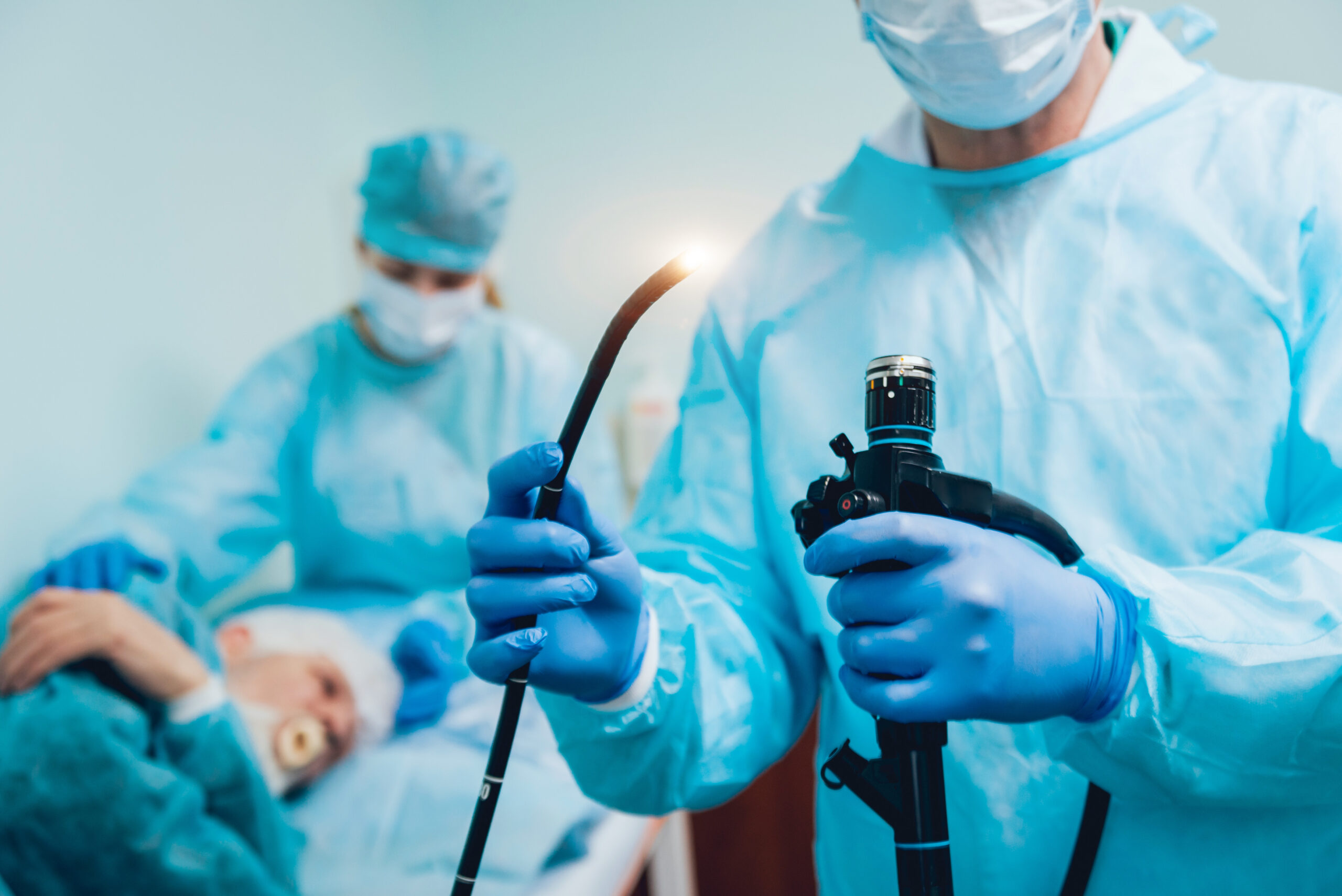
What Is a Colonoscopy?
A colonoscopy is a procedure that allows a gastroenterologist to examine the entire lining of your colon (large intestine) and rectum using a colonoscope — a thin, flexible tube with a light and a high-definition camera at the tip. The images are projected onto a monitor in real time, letting your doctor look for polyps, inflammation, bleeding, or other abnormalities along the full length of the colon. Regular screenings are crucial for early detection and prevention of colorectal cancer because the disease can develop without obvious symptoms.
Why a Colonoscopy Might Be Recommended
A colonoscopy generally falls into one of three categories, and understanding which one applies to you changes what to expect.
Screening (No Symptoms)
Most colonoscopies are performed as routine cancer screening in patients who feel completely fine. Colorectal cancer often develops silently, without warning signs, which is exactly why screening at the right age matters more than waiting for symptoms to appear.
Diagnostic (Investigating Symptoms)
If you’re experiencing rectal bleeding, a persistent change in bowel habits, unexplained abdominal pain, or unexplained weight loss, a colonoscopy helps identify the underlying cause — from hemorrhoids to diverticulitis to inflammatory bowel disease.
Therapeutic (Treatment)
During either type of exam, your doctor can often treat what’s found on the spot: removing polyps, controlling bleeding, taking a biopsy, or, in some cases, placing a stent to relieve a narrowed section of colon.
Who Needs a Colonoscopy, and at What Age?
Average-Risk Patients
The U.S. Preventive Services Task Force and American Cancer Society recommend that adults at average risk begin colorectal cancer screening at age 45, with a colonoscopy repeated every 10 years if no polyps or abnormalities are found.
Higher-Risk Patients — Don’t Wait Until 45 If This Is You
Screening should often start earlier, or happen more frequently, for patients with:
- A family history of colorectal cancer or polyps, especially in a parent or sibling
- A personal history of inflammatory bowel disease (Crohn’s disease or ulcerative colitis)
- An inherited condition such as Lynch syndrome or familial adenomatous polyposis (FAP)
- A prior colonoscopy where polyps were found
If any of these apply to you, talk to your doctor about your specific starting age and interval — a one-size-fits-all timeline doesn’t apply here, and this is exactly the kind of conversation worth having at an appointment rather than guessing from a general guideline online.
Take Control of Your Digestive Health with a Colonoscopy
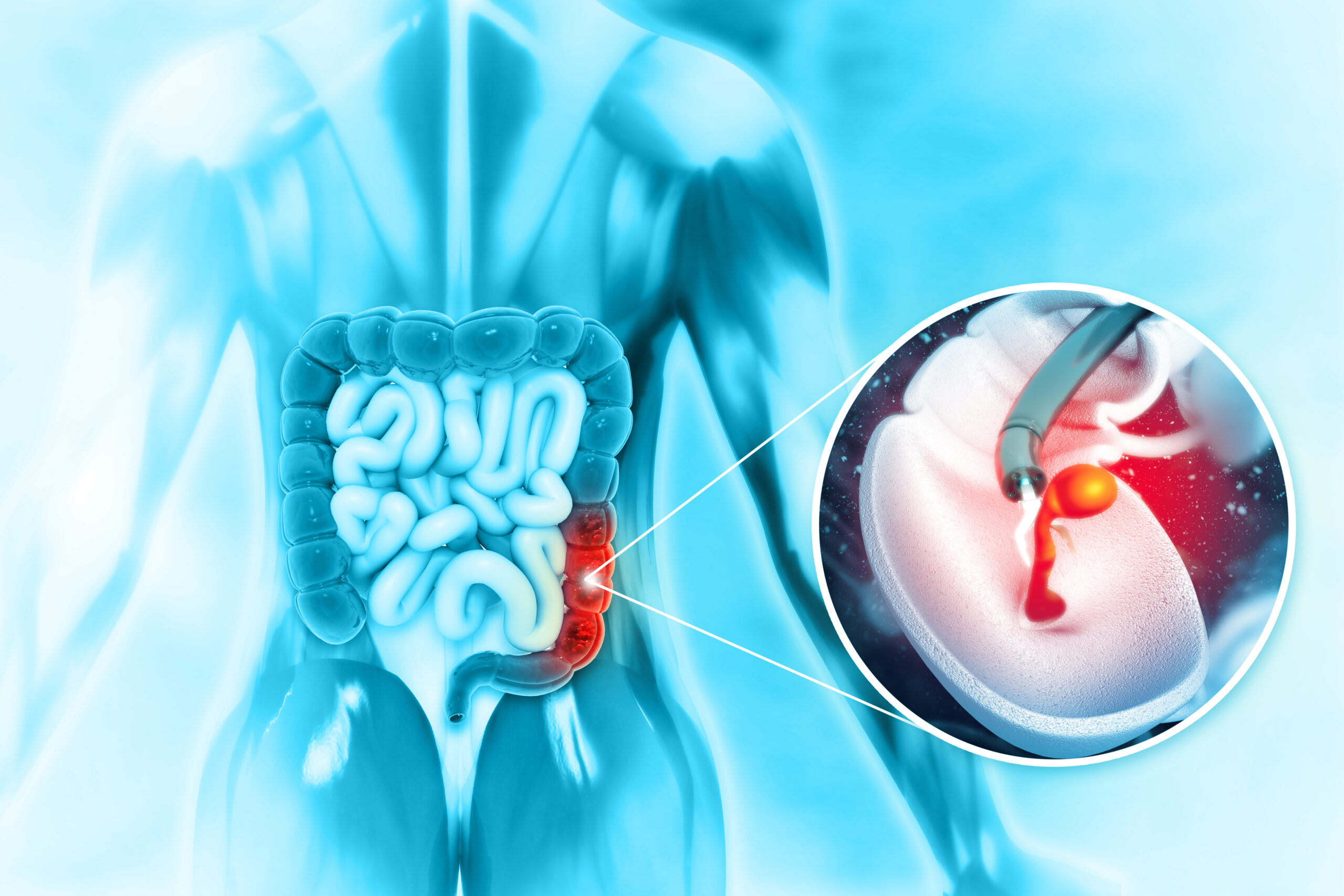
Take Control of Your Digestive Health with a Colonoscopy
One effective method for identifying, evaluating, and treating digestive health problems is a colonoscopy.
This procedure is essential to preserving your general health, whether you require a routine screening, an assessment of inexplicable symptoms,
or a focused treatment. If you’re due for a colonoscopy, make an appointment at Colon & Digestive Health Specialists LLC and take the first step toward better digestive health.
How to Prepare for a Colonoscopy
Prep is the part patients dread most, and honestly, it’s also the part that matters most for an accurate exam — an incompletely cleared colon can hide polyps or force a repeat procedure.
2–3 Days Before
Switch to a low-fiber diet, avoiding whole grains, nuts, seeds, and raw fruits or vegetables that leave residue in the colon.
The Day Before
Move to a clear liquid diet only — water, plain tea or coffee, broth, and clear (non-red, non-purple) sports drinks or gelatin. You’ll begin your prescribed bowel prep solution in the evening, following the exact split-dose timing your doctor gives you.
Medications
Tell your doctor about every medication and supplement you take, particularly blood thinners (Plavix, warfarin, aspirin) and diabetes medications, which may need to be adjusted beforehand.
The Morning Of
Most preps require a second dose several hours before your appointment. Arrive with your prep fully complete — stool should run clear or pale yellow — and bring a driver, since you won’t be able to drive yourself home.
What Happens During the Procedure
Sedation Options — What You Can Actually Choose
This is one of the least explained parts of the process anywhere online, and it’s worth understanding before your appointment:
- Moderate (“twilight”) sedation — you may drift in and out of awareness but typically won’t remember the procedure. Recovery tends to be quicker, and grogginess clears faster.
- Deep sedation (propofol/MAC) — administered by an anesthesia provider, this puts you fully under for the duration of the exam. It’s a common choice for patients who are especially anxious or who’ve had a difficult experience with sedation before.
Which option is right for you depends on your health history, anxiety level, and how your procedure is scheduled — this is a conversation we have with every patient beforehand, not a one-size-fits-all default.
Recovery: What to Expect Afterward
You’ll rest in a recovery area for roughly 30–60 minutes while the sedation begins to wear off. Mild bloating, gas, or cramping is common and typically resolves within a few hours — walking around can help relieve it. If a polyp was removed, light rectal bleeding for a day or two is normal.
Plan to have someone drive you home, and avoid driving, operating machinery, or making major decisions for the rest of the day. Most patients return to their normal diet and activities the next day.
Understanding Your Colonoscopy Results
This is the part almost no online guide walks through in real detail — and it’s often the part patients care about most once the procedure itself is behind them.
If No Polyps or Abnormalities Are Found
You’ll typically be advised to return in 10 years if you’re average risk, assuming your prep was adequate and the full colon was visualized.
If One or Two Small, Low-Risk Polyps Were Removed
Your doctor may recommend a follow-up colonoscopy in 7–10 years.
If Higher-Risk Findings Are Present
A shorter interval — often 1–5 years — may be recommended if:
- More than two polyps were found
- A polyp larger than about 1 cm was removed
- Lab results on a removed polyp show higher-risk features
- You have a personal or family history that increases your risk
Waiting on Biopsy Results
If tissue was sent to a lab, expect results within several days to a couple of weeks. A biopsy doesn’t automatically mean cancer is suspected — it’s often simply the standard, precautionary step whenever any tissue looks even slightly atypical. Our office will follow up directly with you once results are in, rather than leaving you to interpret a report on your own.
Colonoscopy Cost & Insurance in the U.S.
Under the Affordable Care Act, most private insurance plans and Medicare are required to cover a screening colonoscopy at no out-of-pocket cost for eligible adults, when the procedure is coded as preventive.
A few things worth knowing before you schedule:
- If a polyp is removed during what started as a screening exam, some plans reclassify part of the visit as diagnostic, which can trigger a deductible or coinsurance — ask your insurer how your specific plan handles this before your appointment.
- A separate bill from the pathology lab may follow if tissue was sent for testing, even when the colonoscopy itself was fully covered.
- Our billing team can help you understand your specific coverage before the day of your procedure — reach out and we’re glad to walk through it with you.
Frequently Asked Questions about Digestive Health Care
What is a colonoscopy and why is it done?
A colonoscopy is a procedure where a doctor uses a flexible tube with a camera to examine the inside of your colon and rectum. It’s done to screen for colon cancer, investigate digestive symptoms, or check for conditions like polyps or inflammatory bowel disease.
At what age should I get my first colonoscopy?
Most people should start screening at age 45, according to the American Cancer Society. If you have a family history of colorectal cancer or other risk factors, your doctor may recommend earlier screening.
How do I prepare for a colonoscopy?
You’ll need to follow a clear liquid diet for 24 hours before the procedure and take a prescribed bowel prep solution to clean out your colon. Following instructions carefully is essential for accurate results.
How long does a colonoscopy take?
The procedure typically takes 20 to 45 minutes. However, you should plan to be at the clinic for a few hours to allow for check-in, sedation, and recovery time.
What can a colonoscopy detect?
A colonoscopy can detect colon polyps, precancerous lesions, colorectal cancer, ulcers, inflammation, and signs of Crohn’s disease or ulcerative colitis.

For Life-Threatening Emergencies Call 911
Our location
Colon & Digestive Health Specialists 1805 Honey Creek Commons, Ste B, Conyers GA 30013
© 2026 All Rights reserved by Colon & Digestive Health Specialists