
You are about to walk into a big meeting, and your stomach drops. Or it’s the night before an exam, and suddenly you can’t leave the bathroom. Maybe it’s been a rough few months at work and your belly has been bloated, crampy and unpredictable the whole time, even though your diet hasn’t changed.
If any of that sounds familiar, you’re not imagining it. Stress and digestion are tied together more tightly than most people realize, and gastroenterologists see the effects every week. This guide explains what stress actually does inside your digestive system, which symptoms it causes, how to tell stress-related problems from something that needs a medical workup, and what you can do about it starting today.
The short answer: Stress changes how fast food moves through your gut, how sensitive your intestines are to normal sensations, and how much acid you feel in your stomach and chest. It can cause cramps, diarrhea, constipation, bloating, nausea and heartburn, and it can make existing conditions like IBS and acid reflux flare up. Stress management, steady eating habits and sleep help most people. Blood in the stool, unexplained weight loss, night-time symptoms or pain that keeps getting worse are not “just stress” and deserve an evaluation.
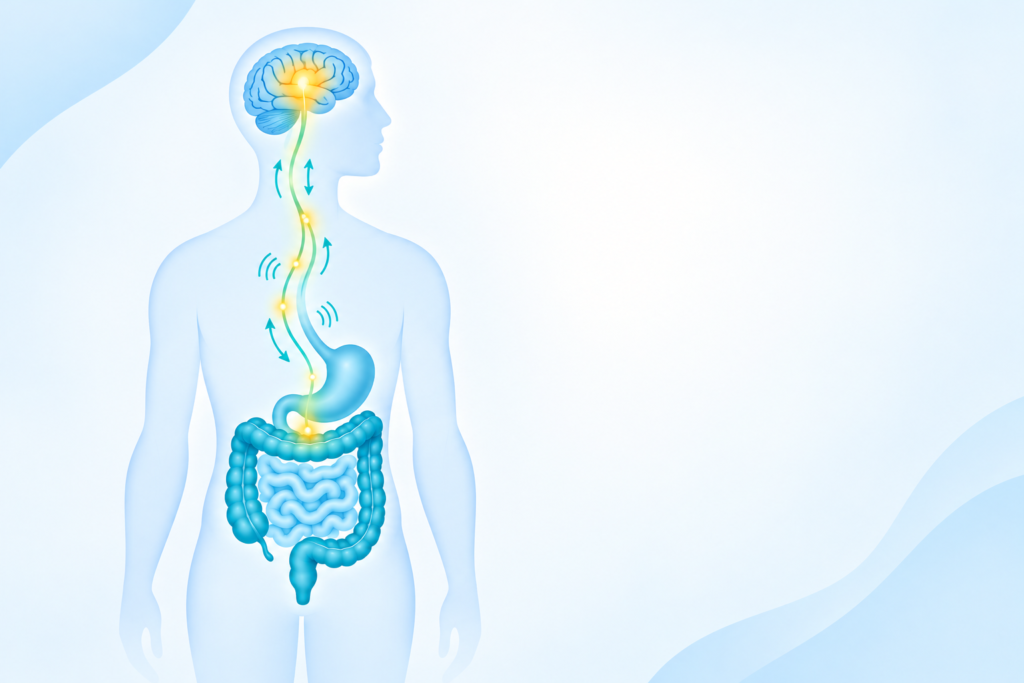
Why Your Gut Reacts to Stress
That said, the gut and the brain are in constant two-way contact. Signals travel along the vagus nerve and through chemical messengers in the bloodstream. This connection is known as the gut-brain axis, and it explains a lot of everyday experiences. The smell of good food makes your mouth water before you take a bite. Nervousness makes you feel nauseated. Grief or anxiety can kill your appetite.
When your brain senses a threat, whether that’s a car swerving toward you or an overflowing inbox, it triggers the fight-or-flight response. Your body releases adrenaline and cortisol, your heart rate goes up, and blood flow shifts toward your muscles. Digestion is not a priority when you’re facing danger, so it gets pushed to the back of the line.
For a short-term scare, that’s fine. The trouble starts when the stress doesn’t switch off. Weeks or months of work pressure, money worries, caregiving or poor sleep keep that alarm system running, and your digestive system pays for it.
Stress Digestion Symptoms: What You Might Notice
Stress doesn’t affect everyone’s gut the same way. Some people run to the bathroom, others get stuck. Here are the most common patterns we hear about:
| Symptom | What it feels like | Why stress can cause it |
|---|---|---|
| Stomach cramps or “knots” | Tightness or aching in the lower or middle belly | Gut muscles contract unevenly and nerves become more sensitive |
| Diarrhea or urgency | Loose stools, sudden need to find a bathroom | Stress can speed up how fast the colon moves |
| Constipation | Hard, infrequent stools, straining | Stress can slow movement through the gut |
| Bloating and gas | Swollen, tight belly, especially by evening | Slower digestion and changes in gut bacteria |
| Nausea | Queasiness, sometimes before events | Stress hormones affect the stomach and the brain’s nausea centers |
| Heartburn or sour taste | Burning behind the breastbone | Stress can increase how much acid you feel and affect eating habits |
| Appetite changes | No appetite, or constant snacking | Stress hormones change hunger signals |
| Burping, early fullness | Feeling stuffed after a few bites | Slowed stomach emptying |
A few details are worth knowing. Stress-related symptoms often follow a pattern: they get worse during busy or anxious stretches and ease on vacations or weekends. They tend to come and go rather than steadily worsen. And they rarely wake you up from sleep, which is an important point we’ll come back to in the self-check below.
What Stress Does Inside Your Body
Knowing the mechanics makes the symptoms less mysterious, and it also points to what helps. Researchers have identified several ways stress affects digestion.
It changes gut movement. Food normally travels through your intestines in coordinated waves of muscle contractions. Stress can speed these waves up, which leads to diarrhea, or slow them down, which leads to constipation and bloating. Some people swing between both.
It makes the gut more sensitive. This one surprises people. Under stress, the nerves in your intestines can become more reactive, so sensations that normally go unnoticed, like normal gas or stretching after a meal, register as discomfort or pain. Doctors call this visceral hypersensitivity, and it is a big part of why stress turns an ordinary stomach into a painful one.
It affects acid and the stomach. Stress doesn’t necessarily pour more acid into your stomach, but it can make you more aware of reflux, and it often changes habits that matter: eating fast, skipping meals, drinking more coffee or alcohol, smoking, eating late at night. Those habits are often the bigger problem.
It may shift your gut bacteria. Your intestines are home to trillions of bacteria. Research suggests that prolonged stress can change the balance of that community, and the changes may affect inflammation, gut sensitivity and mood. This area is still being studied, so anyone promising a quick microbiome fix deserves some skepticism.
It affects sleep, which affects digestion. Poor sleep and stress feed each other, and poor sleep on its own is linked to worse gut symptoms the next day. If stress is wrecking your nights, your digestion usually follows.
It changes how you eat. Grabbing food at your desk, skipping breakfast, living on caffeine until dinner, then eating a huge late meal. None of that is great for a gut already under pressure.
Conditions Stress Can Make Worse
Stress doesn’t cause every digestive disease, and it’s important to be accurate about that. But it can aggravate several common conditions.
Irritable bowel syndrome (IBS). Stress is one of the most consistent triggers for IBS flare-ups. The gut-brain connection is central to how IBS works, which is why many patients notice their symptoms spike during stressful periods. If this sounds like you, our guide to IBS symptoms, causes and treatment explains the condition in detail, and our comparison of IBS vs. IBD covers how it differs from inflammatory bowel disease.
Acid reflux and GERD. Stress doesn’t create reflux from nothing, but it can intensify the burning, and the habits that come with stress make it worse. We cover triggers and food choices in our guide to acid reflux and the best foods to eat and avoid.
Functional dyspepsia. This means chronic indigestion, upper belly discomfort, early fullness or nausea without any structural problem found on testing. Stress and anxiety commonly make it worse.
Inflammatory bowel disease (Crohn’s disease and ulcerative colitis). Stress does not cause IBD, which is driven by the immune system. Some patients, though, notice that flares seem to line up with stressful periods, and living with a chronic illness is stressful in its own right.
Stomach ulcers. An old myth says stress and spicy food cause ulcers. They don’t. The main causes are H. pylori infection and long-term use of anti-inflammatory pain relievers like ibuprofen. Stress can make ulcer symptoms feel worse, though, which is one reason the myth stuck around.
Is It Stress or Something Else? A 60-Second Self-Check
Here is a quick way to sort out what you’re dealing with. This isn’t a diagnosis, but it helps you decide how urgently to act.
Signs that point toward stress-related symptoms:
- Symptoms started or got worse during a stressful period
- They improve when you relax, take time off or sleep well
- They come and go rather than steadily progress
- Your bowel habits change, but there’s no blood
- Your weight is stable
- Basic tests, if you’ve had them, were normal
Signs that are not typical of stress and need a medical evaluation:
- Blood in your stool, or black, tarry stools
- Unintended weight loss
- Diarrhea or pain that wakes you up at night
- Persistent vomiting
- Trouble swallowing, or food that feels stuck
- Fever alongside digestive symptoms
- Pain that is severe, constant or steadily getting worse
- Iron-deficiency anemia, or unusual fatigue and paleness
- New symptoms after age 45, or a family history of colon cancer or inflammatory bowel disease
One point deserves emphasis. People often assume that because they are stressed, their symptoms must be stress. Sometimes that’s true. Sometimes it means a real problem gets blamed on a hectic life for months or years. If any item on the second list applies to you, please don’t wait it out.
What Actually Helps
1. Slow down when you eat. Sit down, put the phone away, and take a few breaths before your first bite. Eating quickly while stressed makes you swallow more air, which adds to gas and bloating, and it can worsen reflux. You don’t need a perfect mindful meal every time. Even a calmer first five minutes helps.
2. Keep meals regular. Skipping breakfast and lunch, then eating a huge dinner, is hard on a stressed gut. Smaller, steadier meals tend to be easier to tolerate. Try to finish dinner at least two to three hours before lying down.
3. Notice your triggers. Coffee, energy drinks, alcohol, very fatty meals and carbonated drinks tend to amplify symptoms when your gut is already on edge. You don’t have to quit everything. Try keeping a simple log for two weeks, noting what you ate, how stressed you felt and what your gut did. Patterns usually show up quickly.
4. Move your body. Regular exercise lowers stress hormones, improves sleep and supports normal gut movement. A 20 to 30 minute walk most days counts. If intense workouts upset your stomach, choose gentler options like walking, swimming or cycling.
5. Protect your sleep. Aim for a consistent bedtime and wake time, keep screens out of the last hour before bed, and avoid caffeine in the afternoon. If stress keeps you awake, it’s worth treating the sleep problem directly instead of waiting for stress to resolve on its own.
6. Try a breathing or relaxation practice. Slow breathing, where you breathe in for four counts and out for six, activates the calming branch of your nervous system. Two to five minutes before meals or at bedtime is enough to start. Yoga, stretching, meditation or prayer all work for the same reason: they turn the alarm system down.
7. Consider gut-directed therapy. For people with persistent symptoms, there is good evidence that cognitive behavioral therapy and gut-directed hypnotherapy can reduce IBS symptoms and improve quality of life. This isn’t a claim that symptoms are imaginary. These approaches retrain the gut-brain signaling that is already overactive.
8. Be careful with supplements. Probiotics help some people and do nothing for others, and results depend on the specific strain. Peppermint oil capsules have some evidence for IBS cramping, but peppermint can aggravate acid reflux, so it isn’t right for everyone. Before starting anything new, especially if you take other medications, check with your doctor.
9. Talk to someone. If stress, anxiety or low mood is a constant presence, a therapist, counselor or your primary care doctor is a legitimate part of your digestive treatment plan, not a detour from it.
10. Get checked if the basics don’t work. If you’ve tried these steps for several weeks and your symptoms persist, that’s the point to see a specialist. Medication, testing or a closer look may be what’s needed.
What a Gastroenterologist Can Do
If you come in with ongoing digestive symptoms, the first step is a thorough conversation about your symptoms, your stress levels, your eating patterns, your medications and your family history. A lot of diagnosis comes from that conversation.
Depending on what we hear, we may recommend:
- Blood and stool tests to look for anemia, inflammation, infection, celiac disease or other causes
- An upper endoscopy if you have heartburn, upper belly pain, nausea or trouble swallowing
- A colonoscopy if you have bleeding, a change in bowel habits that doesn’t settle, anemia, or you are due for colon cancer screening
- A treatment plan that may include dietary changes, medication for specific symptoms, referral for gut-directed therapy or stress management support
Frequently Asked Questions
1. Can stress really cause stomach pain?
Yes. Stress changes how your gut moves and how sensitive its nerves are, so cramping and aching are common. The pain is real, even when no structural problem shows up on testing.
2.How long does stress-related digestive upset last?
It varies. A burst of acute stress, like a presentation or an argument, may cause symptoms for a few hours to a couple of days. During long stretches of chronic stress, symptoms can persist or come and go for weeks or months until the stress or its effects are addressed.
4.Can stress cause constipation?
It can. Stress can slow digestion, and it often disrupts routines like meals, water intake and exercise, all of which affect bowel habits
5.Does stress cause IBS?
Stress doesn’t appear to cause IBS on its own, but it is one of the most common triggers for flare-ups, and a stressful event or infection may be what sets symptoms off in someone who is prone to it.
6.When should I worry about stomach problems from stress?
See a doctor promptly for blood in the stool, black stools, unexplained weight loss, persistent vomiting, trouble swallowing, fever, severe or worsening pain, or symptoms that wake you at night.
Get Answers and Relief in Conyers, GA
Living with a gut that reacts to every stressful day is exhausting, and you don’t have to simply put up with it. Dr. Karim Shakoor and the team at Colon & Digestive Health Specialists combine careful evaluation with practical, personalized care, supported by Joint Commission-accredited services through the affiliated Eastside Endoscopy Center.
Schedule a consultation and let’s find out what is really behind your symptoms.