
Swallowing Difficulty (Dysphagia) Causes and Treatment
What is Swallowing Difficulty (Dysphagia)

What is Swallowing Difficulty (Dysphagia)
The inability to swallow food or liquids is known as dysphagia. Persistent dysphagia can indicate an underlying neurological or digestive condition that needs medical attention, even though occasional swallowing difficulties might not be serious. Symptoms of dysphagia may include:
- Pain or discomfort while swallowing
- Food feeling stuck in your throat or chest
- Coughing or choking when eating or drinking
- Drooling or hoarseness
- Weight loss or dehydration
Types of Swallowing Difficulties
There are two main types of dysphagia, each caused by different issues:
1.Oropharyngeal Dysphagia (High Dysphagia)
This type affects the throat and upper esophagus. It often results from neurological disorders such as:
- Stroke
- Parkinson’s disease
- Multiple sclerosis
- ALS (Amyotrophic lateral sclerosis)
Patients with oropharyngeal dysphagia often have trouble initiating a swallow and may cough or choke frequently.
2. Esophageal Dysphagia (Low Dysphagia)
This form occurs when food gets stuck in the esophagus, the tube that carries food to the stomach. Causes may include:
- Acid reflux (GERD)
- Esophageal strictures (narrowing)
- Esophageal tumors
- Motility disorders like achalasia
Identifying the type of dysphagia is essential to providing the correct treatment.
Common Causes of Dysphagia
Swallowing difficulty can result from various conditions that affect the muscles and nerves involved in swallowing. the most frequent reasons are:
- Gastroesophageal reflux disease (GERD): Prolonged acid reflux can lead to Esophageal inflammation and constriction.
- Neurological conditions: The swallowing reflex may be affected by traumatic brain injury, dementia, or stroke.
- Esophageal cancer or tumors: May physically block or compress the esophagus
- Achalasia: A rare disorder where the esophagus loses its ability to move food to the stomach
- Esophageal rings or webs: Thin layers of tissue that can restrict the passage of food
- Radiation therapy: May result in Esophageal or throat stiffness or scarring.
Risks and Complications of Untreated Dysphagia
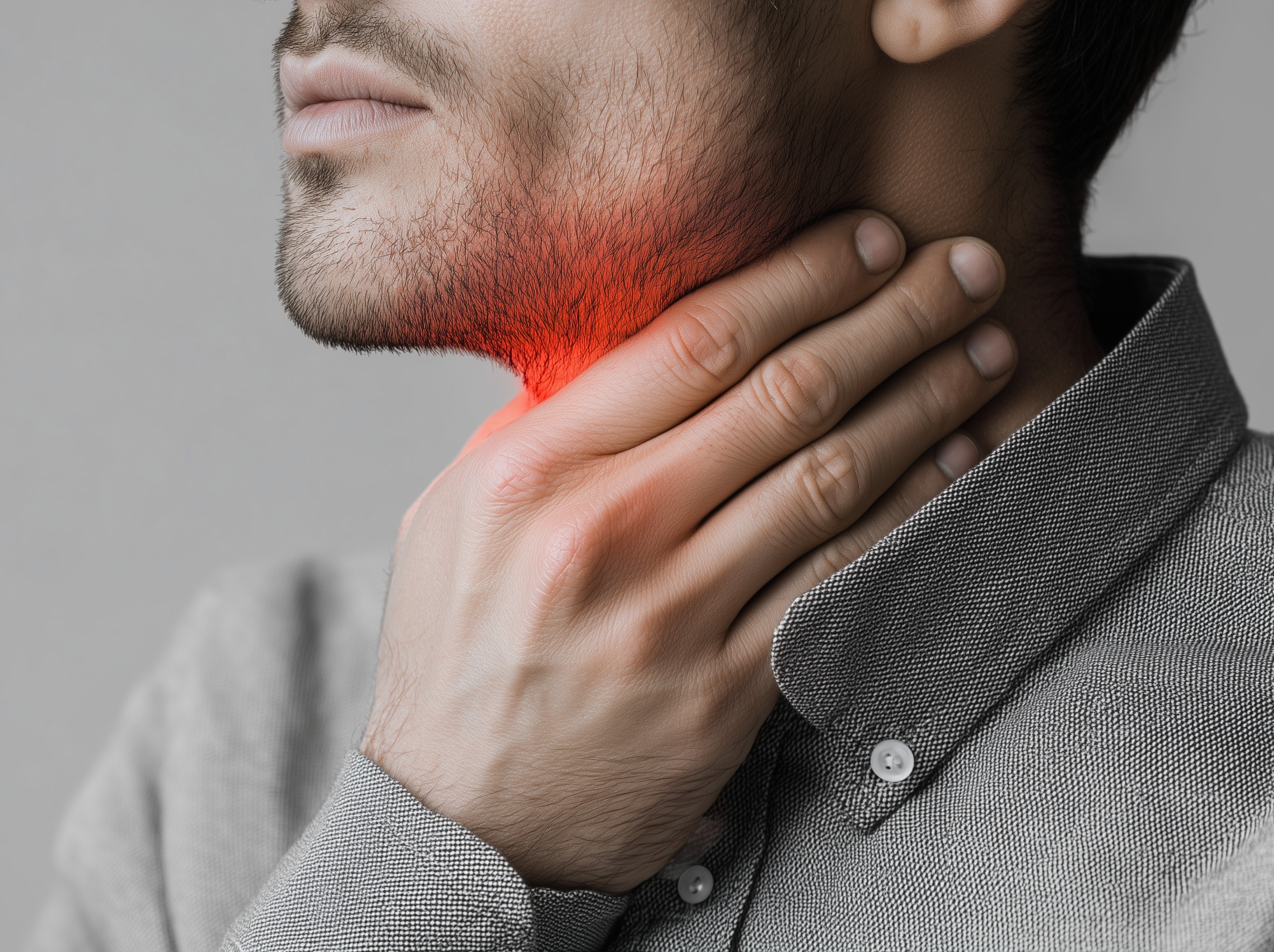
Risks and Complications of Untreated Dysphagia
Leaving dysphagia untreated can lead to several health complications, including:
- Malnutrition and dehydration: Difficulty eating can result in unintended weight loss and vitamin deficiencies.
- Aspiration pneumonia: When food or liquid enters the lungs, causing serious lung infections.
- Airway obstruction: Food may block the airway, creating a choking hazard.
- Emotional stress: Difficulty swallowing can cause embarrassment or anxiety during meals.
Early diagnosis and treatment can prevent these issues and restore your quality of life.
How Is Swallowing Difficulty Diagnosed and Treated?
- Upper endoscopy (EGD)
- Barium swallow study
- Esophageal manometry
- Imaging tests like CT scans or MRI if structural issues are suspected
Personalized Treatment Plan: Treatment depends on the underlying cause and severity of the condition. Options may include:
- Lifestyle and Dietary Changes
- Eating slowly and chewing food thoroughly
- Avoiding dry, tough, or sticky foods
Medications:
- Proton pump inhibitors (PPIs) to treat acid reflux
- Muscle relaxants for Esophageal spasms
Procedures and Surgery:
- Procedures and Surgery
- Botox injections for achalasia
- Surgical intervention in severe cases or for tumors
When to See a Gastroenterologist for Swallowing Difficulty
You should contact your healthcare provider if you experience:
- Frequent coughing or choking while eating
- Unexplained weight loss
- Food consistently getting stuck in your throat or chest
- Pain or discomfort while swallowing
- Hoarseness or sore throat that doesn’t improve
Expert Dysphagia Care at Colon and Digestive Health Specialists
- Expert Care: With Dr. Karim Shakoor, M.D extensive experience in gastroenterology, you’re in expert hands for the diagnosis and treatment of swallowing difficulties.
- Holistic Approach: We focus on the entire spectrum of your health, offering solutions that address both the symptoms and underlying causes of dysphagia.
- Accredited Facilities: Our clinic and the associated Eastside Endoscopy Center are accredited by The Joint Commission, emphasizing our commitment to high-quality patient care.
Frequently Asked Questions about Digestive Health Care
Is dysphagia a serious medical condition?
Yes. If left untreated, it can lead to malnutrition, dehydration, or aspiration pneumonia. Prompt evaluation by a gastroenterologist is recommended.
What tests are done to diagnose dysphagia?
Common diagnostic tests include endoscopy, barium swallow, and Esophageal manometry to assess the function and structure of the esophagus.
What are the early signs of dysphagia?
Early signs include coughing or choking while eating, food getting stuck, hoarseness, and difficulty swallowing solids or liquids.
Can lifestyle changes help with swallowing difficulty?
Yes. Eating smaller meals, chewing thoroughly, sitting upright while eating, and avoiding certain foods can help ease mild dysphagia symptoms.
Who treats swallowing disorders?
Gastroenterologists and speech-language pathologists work together to diagnose and treat dysphagia based on the underlying cause.
Seek Expert Care Today
If swallowing difficulty is affecting your ability to eat and enjoy meals, don’t wait to seek help. Contact CDH today to schedule a consultation with Karim Shakoor, M.D. We’re here to provide the specialized care you need to improve your swallowing function and enhance your overall quality of life.
At CDH, we’re dedicated to helping you achieve optimal digestive health and well-being. Let us assist you in navigating the challenges of dysphagia with comprehensive care and support.

For Life-Threatening Emergencies Call 911
Our location
Colon & Digestive Health Specialists 1805 Honey Creek Commons, Ste B, Conyers GA 30013