
Irritable Bowel Syndrome (IBS): Symptoms, Causes, and Treatment in Conyers, GA
If your stomach has a mind of its own lately, cramping after meals, bloating that shows up out of nowhere, bathroom habits that swing between constipation and diarrhea, you’re not imagining it, and you’re far from alone. Irritable bowel syndrome affects tens of millions of Americans, and it’s one of the most common reasons people visit a gastroenterologist.
Understanding IBS
What Is IBS, Exactly?
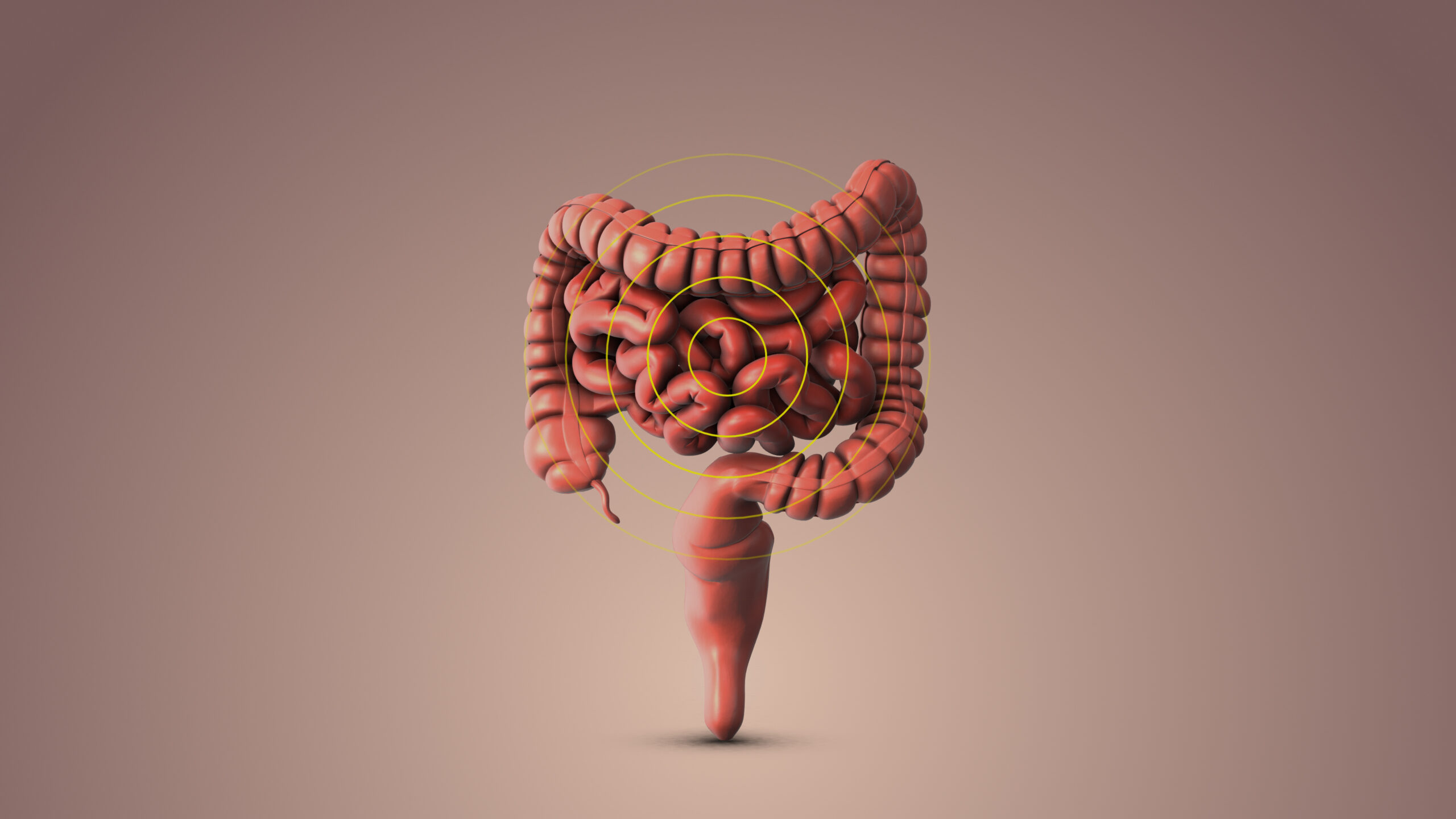
Irritable bowel syndrome is a chronic condition that affects how your large intestine functions. Doctors call it a “functional” disorder because the intestine looks completely normal on imaging or during a colonoscopy, yet it doesn’t move food through the digestive tract the way it should. The muscles either contract too hard and too often, which speeds things up and causes diarrhea, or they slow down, which leads to constipation. Many people experience both, switching back and forth without much warning.
Here’s the reassuring part: IBS doesn’t damage your intestines, and it doesn’t raise your risk of colon cancer or inflammatory bowel disease. That said, it can seriously disrupt daily life, work, sleep, travel, even just leaving the house with confidence. That’s exactly why getting a proper diagnosis and a plan matters, rather than just white-knuckling through it.
Common IBS Symptoms
IBS symptoms differ from person to person, but the ones we hear about most in our Conyers office include:
- Cramping or belly pain, often centered in the lower abdomen, that eases up after a bowel movement
- Bloating and a visibly swollen belly, especially later in the day.
- Diarrhea, constipation, or alternating between the two
- Excess gas
- Mucus in the stool
- A nagging feeling that you haven’t fully emptied your bowels
- Stool that looks different than usual, harder, looser, thinner, or pellet-like
Symptoms tend to build gradually and stick around. If you’re dealing with belly pain tied to your bathroom habits at least once a week for a few months, that’s a strong signal it’s time to get checked out rather than waiting it out.
The Four Types of IBS
Not every case of IBS looks the same, which is part of why treatment has to be personalized. Gastroenterologists generally sort IBS into four categories:
IBS-C (constipation-predominant): Infrequent, hard, or difficult-to-pass stools are the main issue.
IBS-D (diarrhea-predominant): Frequent, loose, or urgent bowel movements dominate the picture.
IBS-M (mixed): Symptoms swing between constipation and diarrhea, sometimes within the same week.
IBS-U (unsubtyped): Symptoms don’t fit neatly into the other three categories, but still meet the criteria for IBS.
Knowing which type you have changes everything about how we approach treatment, since a medication that helps constipation can make diarrhea worse, and vice versa.
What Causes IBS?
This is the question we get asked more than any other, and honestly, researchers still don’t have a complete answer. IBS appears to come from a combination of factors rather than one single cause:
- Miscommunication between the gut and brain. The nerves lining your intestines can become oversensitive, so normal digestive activity, gas, stretching, even standard muscle contractions, registers as pain when it shouldn’t.
- Muscle spasms in the intestinal wall. Instead of the smooth, rhythmic contractions that move food along, the muscles clench too hard or too long.
- A past gut infection. Some people develop IBS after a rough bout of food poisoning or a stomach virus, a pattern doctors call post-infectious IBS.
- Changes in gut bacteria. Research increasingly points to differences in the gut microbiome between people with and without IBS.
- Genetics and early-life stress. Family history plays a role, and so does a history of significant stress, particularly during childhood.
Common IBS Triggers
Causes and triggers aren’t the same thing. Triggers don’t cause IBS, but they can set off a flare-up in someone who already has it. The most frequently reported ones are:
- High-fat or fried foods
- Caffeine and carbonated drinks
- Alcohol
- Dairy products, especially in people with some degree of lactose intolerance
- Certain high-FODMAP foods like wheat, beans, and specific fruits (more on this below)
- Stress, anxiety, or big life changes
- Poor sleep
- Hormonal shifts, which is part of why IBS symptoms often worsen around menstrual periods
Triggers are highly individual. What sets off one patient’s symptoms might not bother another patient at all, which is why we often recommend tracking food and symptoms together for a few weeks before making major dietary changes.
How We Diagnose IBS at CDH
There’s no single blood test or scan that confirms IBS on its own. Instead, diagnosis is a process of matching your symptom pattern to established medical criteria while ruling out other conditions that can look similar, like celiac disease, inflammatory bowel disease, or a thyroid issue.
At our Conyers office, that typically involves a detailed conversation about your symptoms, diet, and history, along with some combination of:
- Blood work to check for anemia, thyroid problems, or signs of infection
- Stool testing
- A colonoscopy or flexible sigmoidoscopy to directly examine the colon, particularly if you have red-flag symptoms or a family history of colon cancer
- An upper endoscopy if heartburn or indigestion is part of the picture
We don’t run every test on every patient. The goal is to confirm IBS confidently while making sure we’re not missing something else that needs a different treatment path entirely.
IBS Treatment Options
There’s no one-size-fits-all IBS treatment, and honestly, anyone who promises a quick fix probably hasn’t managed many real IBS cases. What actually works is usually a combination of approaches:
Dietary changes. Often the first and most effective step, covered in detail below.
Lifestyle adjustments. Regular meal timing, adequate water intake, consistent sleep, and regular movement all measurably reduce flare frequency for a lot of patients.
Medication. Depending on your IBS type, this might include fiber supplements, antispasmodics for cramping, medications that speed up or slow down bowel movements, or short-term antibiotics in specific cases.
Gut-directed therapy. Because the gut and brain are so closely linked, cognitive behavioral therapy and gut-directed hypnotherapy have real evidence behind them for reducing IBS symptoms, not because it’s “all in your head,” but because retraining that nerve signaling genuinely helps.
Probiotics. Some patients see real improvement with specific probiotic strains, though results vary enough that we usually treat this as a trial-and-see approach rather than a guarantee.
Understanding IBS

The Low-FODMAP Diet for IBS
If you’ve spent any time researching an IBS diet, you’ve probably run into the term FODMAP. It stands for fermentable oligosaccharides, disaccharides, monosaccharides, and polyols, a mouthful, but really just a way of grouping carbohydrates that are hard to digest and tend to ferment in the gut, pulling in water and producing gas along the way.
The low-FODMAP diet is currently the most well-studied dietary approach for IBS, and it works in three phases:
- Elimination (2 to 6 weeks): Cut out high-FODMAP foods almost entirely to give your gut a reset.
- Reintroduction (6 to 8 weeks): Add foods back one category at a time to identify exactly which ones trigger your symptoms.
- Maintenance: Build a long-term diet that avoids your personal triggers while staying as varied and nutritious as possible.
Common foods to avoid with IBS during the elimination phase include wheat and rye products, beans and lentils, dairy, onions and garlic, and certain fruits like apples, pears, and cherries. On the flip side, foods that are typically well tolerated include rice, oats, bananas, carrots, spinach, and most lean proteins.
This diet isn’t meant to be permanent or followed without guidance. Because it temporarily removes entire food groups, we generally recommend working with your doctor or a dietitian rather than attempting the full elimination phase solo, both to protect your nutrition and to interpret the results correctly.
IBS vs. IBD: What's the Difference
This comes up constantly, and the confusion is understandable since the names sound almost identical. IBS (irritable bowel syndrome) and IBD (inflammatory bowel disease, which includes Crohn’s disease and ulcerative colitis) share a few surface-level symptoms, like belly pain and changes in bowel habits, but they’re fundamentally different conditions.
IBD involves actual inflammation and physical damage to the digestive tract, which shows up clearly on a colonoscopy and can be seen under a microscope. It raises your risk of complications like strictures, fistulas, and colon cancer over time, and it typically requires ongoing medical management to control that inflammation.
IBS, by contrast, doesn’t cause any visible damage to the intestines. A colonoscopy in someone with IBS will look completely normal. It won’t raise your cancer risk, and while it’s genuinely uncomfortable and disruptive, it isn’t dangerous in the way IBD can be.
Because the symptoms overlap, and because ruling out IBD is a critical part of an accurate diagnosis, this distinction is exactly why we recommend an evaluation rather than self-diagnosing from symptoms alone.
When an IBS Flare-Up Means You Should See a Doctor
Most IBS flare-ups are uncomfortable rather than dangerous, and they typically settle down within a few days with rest, hydration, and avoiding known triggers. But certain symptoms go beyond what typical IBS causes, and they deserve prompt medical attention:
- Rectal bleeding or blood in your stool
- Unexplained weight loss
- Diarrhea that wakes you up at night
- Fever alongside digestive symptoms
- Persistent vomiting
- Pain that doesn’t ease up at all, even temporarily, after a bowel movement
- Signs of anemia, like ongoing fatigue or pale skin
None of these are typical IBS symptoms, and they warrant a visit sooner rather than later so we can rule out something more serious.
FAQs
How long does an IBS flare-up usually last?
Most flares ease up within two to four days once you identify and avoid the trigger, though some people experience longer stretches, especially without treatment. Chronic, poorly managed IBS can involve near-constant low-level symptoms with periodic worse flares layered on top.
Is IBS the same as being lactose intolerant?
No. Lactose intolerance is a specific inability to digest milk sugar, and it can be tested for directly. IBS is a broader condition, though dairy is a common trigger for people who have it.
Can IBS go away completely?
IBS is generally considered a long-term, chronic condition, but that doesn’t mean symptoms are constant or unmanageable. Many patients reach a point where flare-ups become rare and mild once they’ve identified their triggers and found the right combination of diet and treatment.
Does stress actually cause IBS?
Stress doesn’t cause IBS on its own, but it’s one of the most consistent flare triggers due to the direct connection between your brain and your gut. Managing stress is a legitimate, evidence-backed part of IBS treatment, not just a side suggestion.
How is IBS different from IBD?
IBS vs IBD , IBS is a functional disorder, meaning your gut isn’t working the way it should, but there’s no visible damage to find. IBD is a structural, inflammatory disease, meaning there’s actual, physical damage to the digestive tract that shows up on imaging, endoscopy, or biopsy.

For Life-Threatening Emergencies Call 911
Our location
Colon & Digestive Health Specialists 1805 Honey Creek Commons, Ste B, Conyers GA 30013