
Heartburn: Symptoms, Causes & When to See a Gastroenterologist
Almost everyone experiences heartburn at some point. That burning sensation rising from your chest after a heavy meal, a glass of wine, or lying down too soon after eating — it’s uncomfortable, sometimes alarming, and incredibly common. But when heartburn stops being an occasional inconvenience and starts happening regularly, it becomes a signal your body is sending that deserves real attention.
Heartburn Symptoms

What Is Heartburn?
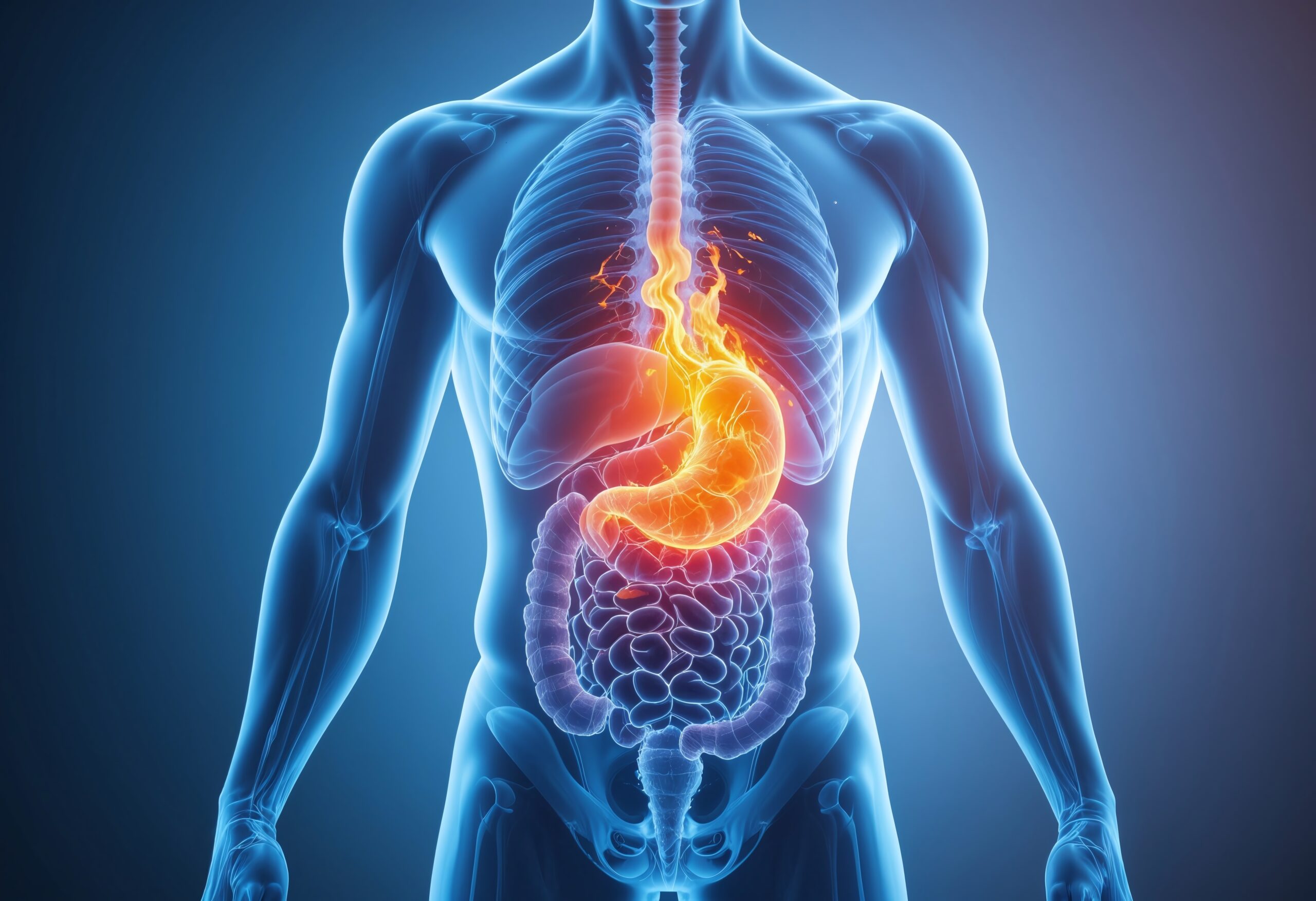
Heartburn is a burning discomfort in the chest that typically starts just behind the breastbone and can radiate upward toward the throat. Despite the name, heartburn has nothing to do with your heart — it’s a digestive symptom caused by stomach acid traveling backward into the esophagus, the tube that connects your mouth to your stomach.
The medical term for this backward flow is acid reflux. When acid reflux happens occasionally, it’s heartburn. When it happens frequently — typically twice a week or more — it becomes a condition called gastroesophageal reflux disease, or GERD.
Understanding this distinction matters because occasional heartburn and chronic GERD are managed very differently. One responds well to dietary adjustments and over-the-counter antacids. The other requires a proper medical evaluation to prevent long-term complications including damage to the esophageal lining.
Heartburn Symptoms: What Does It Actually Feel Like?
Heartburn doesn’t always present the same way for every patient. Recognizing the full range of heartburn symptoms helps you distinguish it from other conditions — and understand when your symptoms are telling you something more serious is going on.
The most common heartburn symptoms include:
A burning sensation in the chest — The hallmark symptom. It typically starts behind the breastbone and may spread upward toward the neck and throat. It often feels worse after eating, when bending over, or when lying down.
Sour or bitter taste in the mouth — When stomach acid or partially digested food backs up all the way into the throat or mouth, you may notice a sharp, acidic, or bitter taste. This is called acid regurgitation.
The feeling of food coming back up — Some people feel like food is “stuck” in the chest, or experience a wet, rising sensation in the throat after eating.
Worsening symptoms at night — Lying flat removes gravity’s help in keeping stomach contents down. Many people find their heartburn is significantly worse when trying to sleep, which disrupts rest and worsens quality of life over time.
Chronic cough or hoarseness — Stomach acid irritating the throat can trigger a persistent cough or a raspy voice, particularly in the morning. This is called atypical or “silent” reflux — and it’s frequently misdiagnosed as asthma or a post-nasal drip issue.
Difficulty swallowing — In more advanced cases, chronic acid exposure can cause the esophagus to narrow, making swallowing feel difficult or uncomfortable.
Heartburn vs. Heart Attack: Know the Difference
This is one of the most important distinctions in medicine. Heartburn can produce chest pain intense enough to mimic a cardiac event — and the reverse is equally true.
Seek emergency care immediately if your chest pain:
- Comes with pain radiating to your left arm, jaw, or shoulder
- Is accompanied by shortness of breath, sweating, or nausea
- Feels like squeezing, pressure, or tightening rather than burning
- Does not improve or worsens over several minutes
- Occurs with dizziness or a sense that something is seriously wrong
When in doubt, go to the emergency room. Never assume severe chest pain is “just heartburn.”
What Causes Heartburn?
Understanding what causes heartburn means understanding a small but important piece of anatomy — the lower esophageal sphincter, or LES.
The LES is a ring of muscle at the bottom of your esophagus that acts as a one-way valve. When you swallow, it opens to let food pass into the stomach. Then it closes tightly to keep stomach contents — including acid — from flowing back up.
Heartburn happens when the LES doesn’t close properly.
When this valve weakens, relaxes at the wrong time, or comes under too much pressure from below, stomach acid escapes upward into the esophagus. Because the esophagus doesn’t have the same protective lining as your stomach, even small amounts of acid cause the burning, irritating sensation you feel as heartburn.
Common Causes and Triggers
Several factors can weaken the LES or increase pressure in the stomach, making acid reflux more likely:
Foods and drinks that commonly trigger heartburn:
- Spicy foods (hot peppers, chili, curry)
- Fatty or fried foods (slow digestion increases stomach pressure)
- Citrus fruits and tomato-based foods (naturally acidic)
- Chocolate (relaxes the LES)
- Coffee and caffeine
- Carbonated beverages (increase stomach pressure)
- Alcohol (relaxes the LES and increases acid production)
- Peppermint (counterintuitively, relaxes the LES)
Care at Colon & Digestive Health Specialists
Care at Colon & Digestive Health Specialists
Expert Care: Karim Shakoor, M.D expertise in gastroenterology ensures that you receive the highest level of care tailored to your specific needs.
Holistic Approach: We focus not just on treating heartburn but also on improving your overall digestive health to prevent future episodes.
State-of-the-Art Facilities: Our clinic and the associated Eastside Endoscopy Center are accredited by The Joint Commission, ensuring you receive care in a safe and highly professional environment.
Heartburn Relief: What Actually Works
If you’re dealing with occasional heartburn, several strategies can provide real, meaningful relief. The key word is occasional — these approaches work well for infrequent symptoms, but they don’t address the underlying cause of chronic or frequent heartburn.
Lifestyle Changes That Provide Heartburn Relief
Adjust your eating habits. Eat smaller, more frequent meals rather than large ones. Finish eating at least two to three hours before lying down or going to bed. Eat slowly and chew thoroughly — rushing meals puts more air and undigested food in the stomach.
Identify and reduce your personal triggers. Keep a simple food diary for two weeks. Note what you ate, what time, and whether heartburn followed. Most people have two or three consistent triggers — identifying them is more effective than eliminating every food on a generic list.
Elevate the head of your bed. Raising the head of your bed by six to eight inches (using a bed wedge or placing blocks under the headboard — not just extra pillows, which can worsen symptoms by bending the torso) uses gravity to keep acid down while you sleep.
Maintain a healthy weight. For overweight patients, even a 5–10% reduction in body weight can significantly reduce heartburn frequency. This is one of the most impactful long-term changes you can make.
Quit smoking. Smoking weakens the LES over time. Cessation consistently improves reflux symptoms and is strongly recommended for all GERD patients.
Wear loose-fitting clothing. Tight waistbands and belts increase abdominal pressure. It’s a small change that can make a real difference for people with frequent post-meal symptoms.
Over-the-Counter Options for Heartburn Relief
Antacids (Tums, Rolaids, Maalox) — Neutralize stomach acid quickly, providing fast but short-lived relief. Best for occasional, predictable heartburn (after a known trigger meal, for example).
H2 blockers (Pepcid, Zantac 360) — Reduce the amount of acid your stomach produces. Work more slowly than antacids but provide longer relief. Good for predictable heartburn, such as before a meal you know may trigger symptoms.
Proton pump inhibitors — PPIs (Prilosec OTC, Nexium 24HR) — The most powerful over-the-counter option. Significantly reduce acid production and are most effective for frequent heartburn when taken consistently. However, PPIs are meant for short-term use and should not become a permanent self-treatment without medical supervision, as long-term use carries its own risks.
Important: Over-the-counter medications manage heartburn symptoms — they don’t treat the underlying cause. If you are taking antacids or PPIs more than twice a week, that frequency is itself a reason to see a gastroenterologist.
How to Get Rid of Heartburn: Long-Term Solutions
Getting rid of heartburn for good — rather than just managing it episode by episode — requires addressing what’s causing it, not just suppressing the acid.
For patients with mild, trigger-driven heartburn, lifestyle modifications and short-term medication are often sufficient. But for patients with frequent heartburn, suspected GERD, or symptoms that have persisted for months, lasting relief comes from proper diagnosis and a personalized treatment plan.
Prescription-strength acid suppression therapy, combined with targeted lifestyle changes, resolves symptoms in the majority of GERD patients. For those with structural causes like hiatal hernia, or for patients who don’t respond to medication, procedural options exist that can significantly improve or eliminate reflux.
The critical point: heartburn that keeps coming back is telling you something. Temporary relief from an antacid is not the same as treatment.
When to See a Gastroenterologist for Heartburn
See a gastroenterologist if you experience any of the following:
Heartburn twice a week or more — Frequent heartburn is the defining symptom of GERD. At this frequency, the esophagus is being regularly exposed to stomach acid, which causes damage over time. This warrants proper diagnosis, not indefinite antacid use.
Symptoms that don’t improve with over-the-counter medications — If antacids or PPIs aren’t providing adequate relief after two weeks of consistent use, the cause needs to be evaluated directly.
Difficulty or pain when swallowing — Known as dysphagia, this symptom suggests possible esophageal narrowing (stricture) from chronic acid exposure. It requires prompt evaluation.
Unintentional weight loss — Losing weight without trying, alongside digestive symptoms, is always a reason to see a specialist promptly.
Symptoms that have persisted for more than three months — Chronic symptoms that haven’t been evaluated mean you’re managing without a diagnosis. You don’t know what you’re actually dealing with until it’s been assessed.
Heartburn that wakes you from sleep regularly — Nighttime heartburn severe enough to disrupt sleep signals a degree of reflux that needs medical management.
You are over 50 with new or worsening heartburn — In this age group, new-onset or changing digestive symptoms should be evaluated to rule out conditions beyond simple acid reflux.
You have a family history of esophageal cancer or Barrett’s esophagus — Long-standing GERD is the primary risk factor for Barrett’s esophagus, a precancerous change in the esophageal lining. If you have a family history, periodic surveillance endoscopy is recommended.
Schedule a Heartburn Consultation in Conyers, GA
If heartburn is affecting your daily life, your sleep, or your ability to enjoy food without discomfort — that’s not something you should keep managing around. It’s something that deserves a real answer from a gastroenterologist who can evaluate what’s actually happening and create a treatment plan that works long-term.
At Colon & Digestive Health Specialists, Dr. Karim Shakoor provides expert, compassionate digestive care for patients across Conyers, Rockdale County, Newton County, and Henry County, Georgia. Whether you need a straightforward evaluation or a more thorough diagnostic workup, our team is here to help you get real relief — not just temporary symptom control.