
Gut health plays a critical role in how your body functions every single day. From digestion and nutrient absorption to immunity and even mental well-being, your gut influences far more than just your stomach. Poor gut health often develops slowly, and many people dismiss early symptoms as “normal” digestive issues. Unfortunately, ignoring these warning signs can allow underlying digestive conditions to worsen over time.
Understanding the warning signs of poor gut health can help you take action early, protect your digestive system, and improve your overall quality of life. In this guide, our digestive health experts explain what poor gut health looks like, why it happens, and when you should seek professional care.
What Is Gut Health and Why Is It Important?
The balance and proper function of your digestive system, which includes your stomach, intestines, colon, and the trillions of beneficial bacteria that reside there (the gut microbiome), is referred to as gut health. Your body absorbs nutrients smoothly, inflammation is kept under control, and digestion proceeds easily when your gut is healthy.
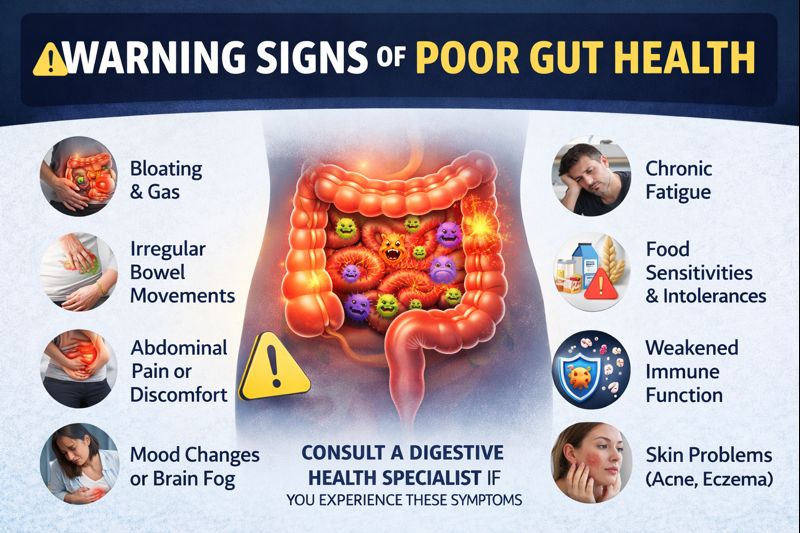
Common Warning Signs of Poor Gut Health
Many people live with gut problems for years without realizing that their symptoms are connected. Below are the most common and medically recognized signs of poor gut health that should never be ignored.
1. Persistent Digestive Problems
Chronic Bloating, Gas, or Abdominal Discomfort
Occasional bloating is normal, but frequent bloating, excessive gas, or ongoing abdominal discomfort may indicate poor digestion or an imbalance in gut bacteria. These symptoms often worsen after meals and can signal conditions such as food intolerances, irritable bowel syndrome (IBS), or bacterial overgrowth
Indigestion and Acid Reflux
Recurring indigestion, heartburn, or acid reflux may be linked to poor gut function. When digestion is impaired, food may not move properly through the digestive tract, increasing pressure and acid exposure in the stomach and esophagus.
2. Irregular Bowel Movements
Chronic Constipation or Diarrhea
One of the clearest warning signs of poor gut health is a change in bowel habits. Constipation, diarrhea, or alternating between the two can indicate inflammation, disrupted gut bacteria, or functional digestive disorders.
Healthy digestion typically includes regular, well-formed bowel movements without discomfort. Ongoing irregularity should always be evaluated by a digestive health specialist.
3. Unexplained Fatigue and Low Energy
Poor Gut Health and Chronic Tiredness
If you feel constantly tired despite adequate sleep, your gut may be part of the problem. A poorly functioning digestive system may struggle to absorb essential nutrients like iron, vitamin B12, and magnesium—leading to fatigue and weakness.
Additionally, chronic gut inflammation can place stress on your immune system, leaving you feeling drained throughout the day.
4. Frequent Food Sensitivities and Intolerances
Developing new food sensitivities—such as discomfort after consuming dairy, gluten, or high-fiber foods—can be a sign of poor gut health. When the gut lining becomes irritated or inflamed, it may react more strongly to foods that were once tolerated.
Symptoms may include bloating, cramps, nausea, diarrhea, or headaches shortly after eating.
5. Weak Immune System
Nearly 70% of the immune system is located in the gut. When gut health declines, immune defenses weaken, making you more susceptible to colds, infections, and prolonged illness.
Recurring infections, slow recovery, or constant inflammation may indicate that your gut is no longer supporting your immune system effectively.
6. Skin Problems Linked to Gut Health
The connection between gut health and skin health is well documented. Inflammation and poor digestion can trigger skin conditions such as acne, eczema, rosacea, or unexplained rashes.
When the gut struggles to eliminate toxins properly, the body may attempt to release them through the skin—leading to flare-ups and irritation.
7. Mood Changes, Anxiety, or Brain Fog
The Gut-Brain Connection
Your gut and brain are closely connected through the gut-brain axis. An unhealthy gut may disrupt neurotransmitter production, including serotonin, which plays a major role in mood regulation.
People with poor gut health may experience:
- Anxiety or depression
- Difficulty concentrating
- Brain fog or memory issues
8. Unintended Weight Changes
Poor gut health can interfere with metabolism and appetite regulation. Some individuals experience unexplained weight gain due to inflammation and hormonal imbalance, while others may lose weight due to poor nutrient absorption.
Sudden or unexplained weight changes should always be discussed with a healthcare provider.
9. Bad Breath That Won’t Go Away
Chronic bad breath may be linked to poor digestion, acid reflux, or bacterial imbalance in the gut. If oral hygiene doesn’t improve the issue, the problem may be originating in the digestive tract.
10. Frequent Abdominal Pain or Cramping
Recurring abdominal pain, especially when associated with meals or bowel movements, may indicate underlying digestive disorders such as IBS, inflammatory bowel disease (IBD), or colon-related conditions.
What Causes Poor Gut Health?
Several lifestyle and medical factors can contribute to declining gut health, including:
- Poor diet high in processed foods and sugar
- Chronic stress
- Overuse of antibiotics
- Lack of dietary fiber
- Dehydration
- Smoking or excessive alcohol use
- Untreated digestive conditions
When Should You See a Digestive Health Specialist?
You should seek professional evaluation if you experience:
- Ongoing digestive symptoms lasting more than a few weeks
- Blood in stool
- Severe abdominal pain
- Unexplained weight loss
- Family history of colon or digestive diseases
How Doctors Diagnose Poor Gut Health
Gastroenterologists do not rely on symptoms alone to assess gut health. A comprehensive evaluation may include:
- Detailed review of digestive symptoms and medical history
- Physical examination
- Stool testing to evaluate gut bacteria and inflammation
- Blood tests to check nutrient absorption and inflammation
- Colonoscopy or imaging when colon-related conditions are suspected
A personalized diagnostic approach helps identify whether symptoms are related to functional issues, inflammation, or underlying digestive disease.
Take Control of Your Gut Health Today
Ignoring the warning signs of poor gut health can allow minor digestive problems to turn into serious medical conditions. Listening to your body and seeking expert care early can protect your digestive system and improve your overall well-being.
If you are experiencing ongoing digestive symptoms, the team at Colon & Digestive Health Specialists in Conyers ,GA is here to help with compassionate, expert care.
Medically Reviewed By:
Dr. Karim Shakoor, MD
Board-Certified Gastroenterologist
Colon & Digestive Health Specialists
Dr. Karim Shakoor has extensive experience diagnosing and treating digestive disorders, including gut health imbalance, IBS, colon conditions, and inflammatory bowel diseases. This article is reviewed to ensure medical accuracy, patient safety, and evidence-based guidance.
Contact Colon & Digestive Health Specialists in Conyers, GA today to schedule a comprehensive second opinion or to begin your diagnostic process. Let us provide the expert clarity and personalized treatment roadmap you need for a confident future.